
 Swan Bradshaw
Melaka
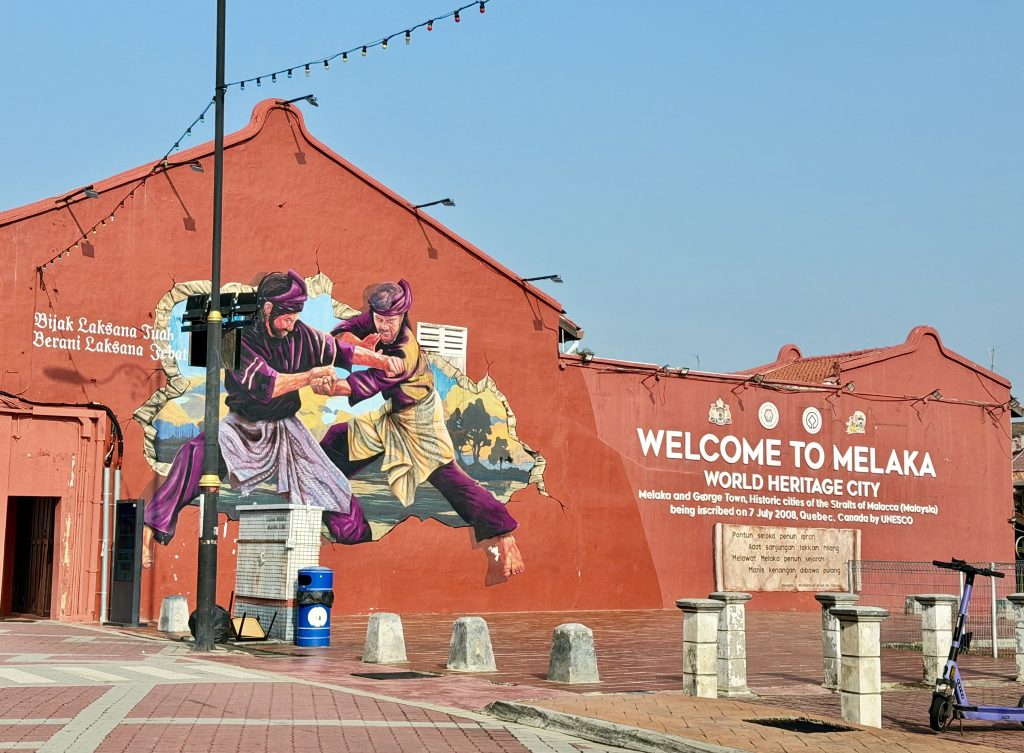
Melaka in Brief: 600 Years of History in One Walkable City
Melaka began around 1400 when Sumatran prince Parameswara founded a settlement at a fishing village on the Strait of Malacca. Legend says he named it after the Melaka tree he sat under after watching a mouse deer kick his hunting dog into the river. He converted to Islam and built the Melaka Sultanate, a thriving 15th-century trading empire that drew merchants from China, India, Arabia, and Java. Chinese admiral Zheng He visited repeatedly, linking the port to the Ming Dynasty.
Portuguese forces under Afonso de Albuquerque captured the city in 1511 and built A Famosa fortress. The Dutch took it in 1641 after a long siege, leaving the red Stadthuys and Christ Church. The British assumed control in 1824; Melaka later joined the Straits Settlements but faded as Singapore rose. Japanese occupation during World War II was the last colonial chapter before Malaysia independence in 1957.
In 2008 the historic core became a UNESCO World Heritage Site for its 500 years of East-West exchange. Today the compact old town still shows every layer: Portuguese gate, Dutch Square, Chinese temples, Peranakan (Baba-Nyonya or Chinese father/malay mother) shophouses, and Malay heritage. Walk Dutch Square, climb St. Paul’s Hill, wander Jonker Street, and you’ll see the whole story in a few hours.
That’s Melaka: a living timeline of empires, trade, and cultures packed into one charming, walkable city.
Day 1
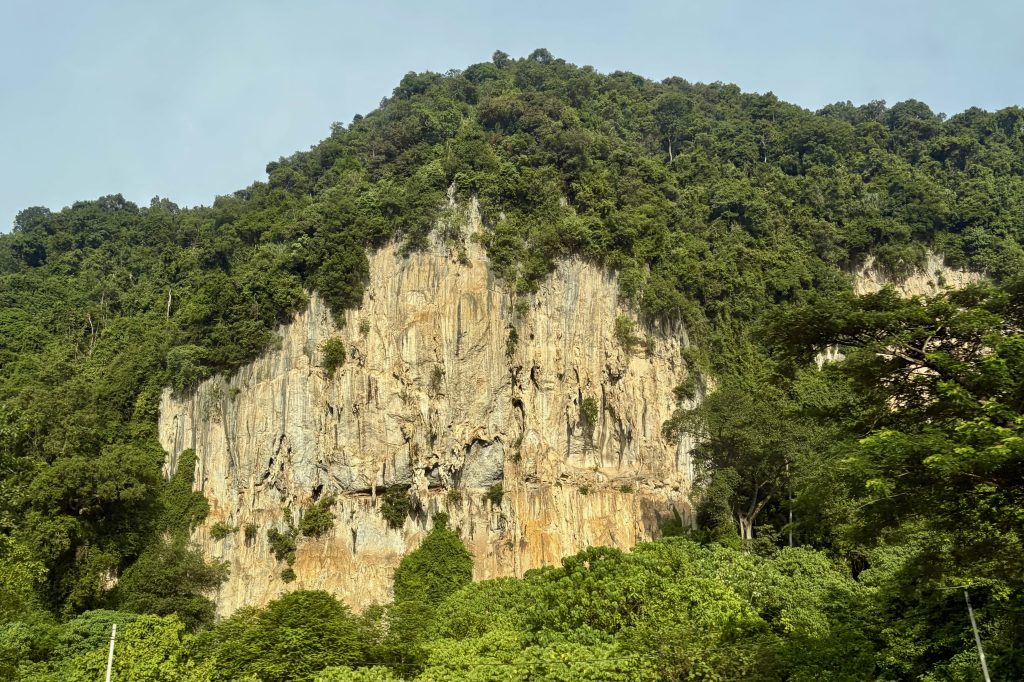
We drove from Ipoh to Melaka after breakfast, total travel time is about 4 1/2 hours depending on traffic. Despite the haze from the fires from Indonesia, the scenery along the way was really beautiful adorned with limestone mountains on both sides of the freeways.
Upon arrival in Melaka, we checked into the Courtyard Marriott. Unlike the courtyards in the US, the courtyard in Melaka is a high rise, more like a regular Marriott hotel, very nice with bigger gym and swimming pool.
Breakfast buffet offered a wide range of food variety including dim sum station, vegetarian, noodle soup, western breakfast, continental, fruits, Nyonya, Indian, and more …
Lin Neo
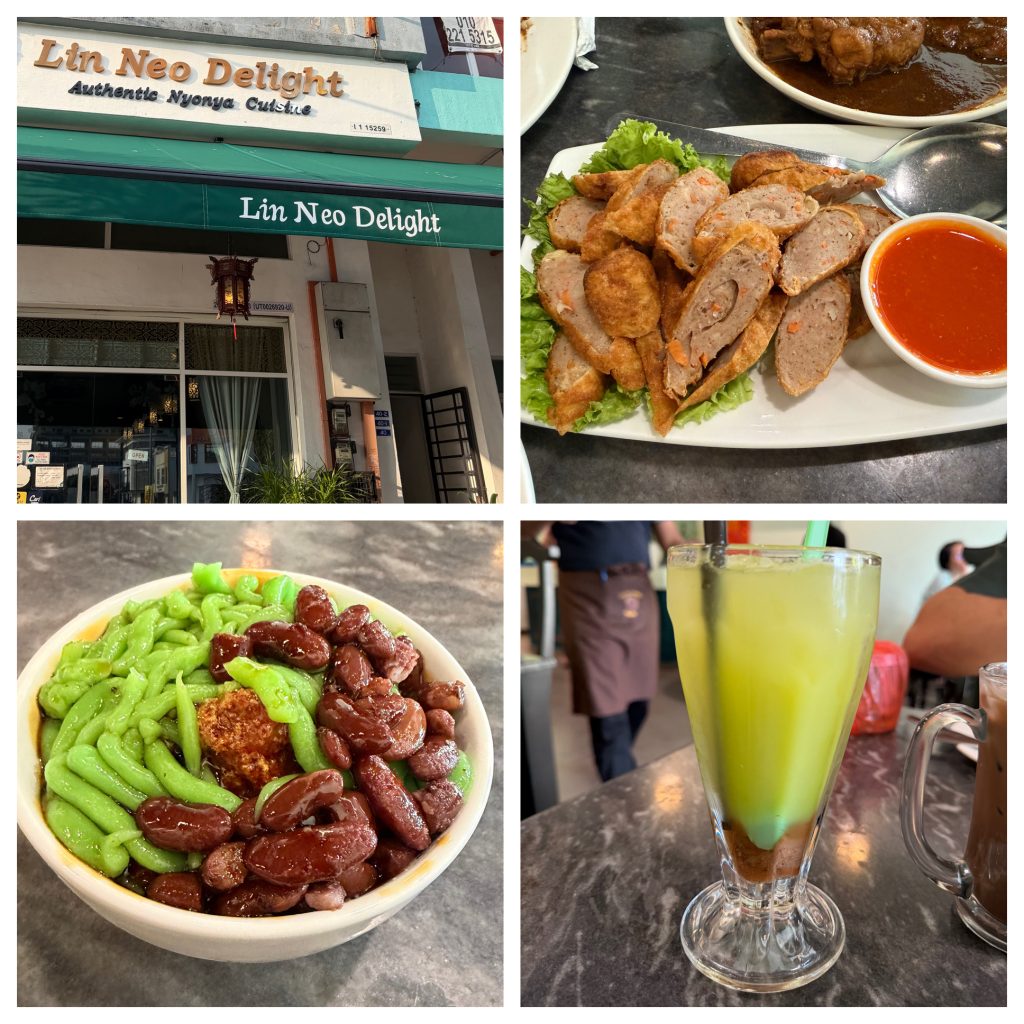
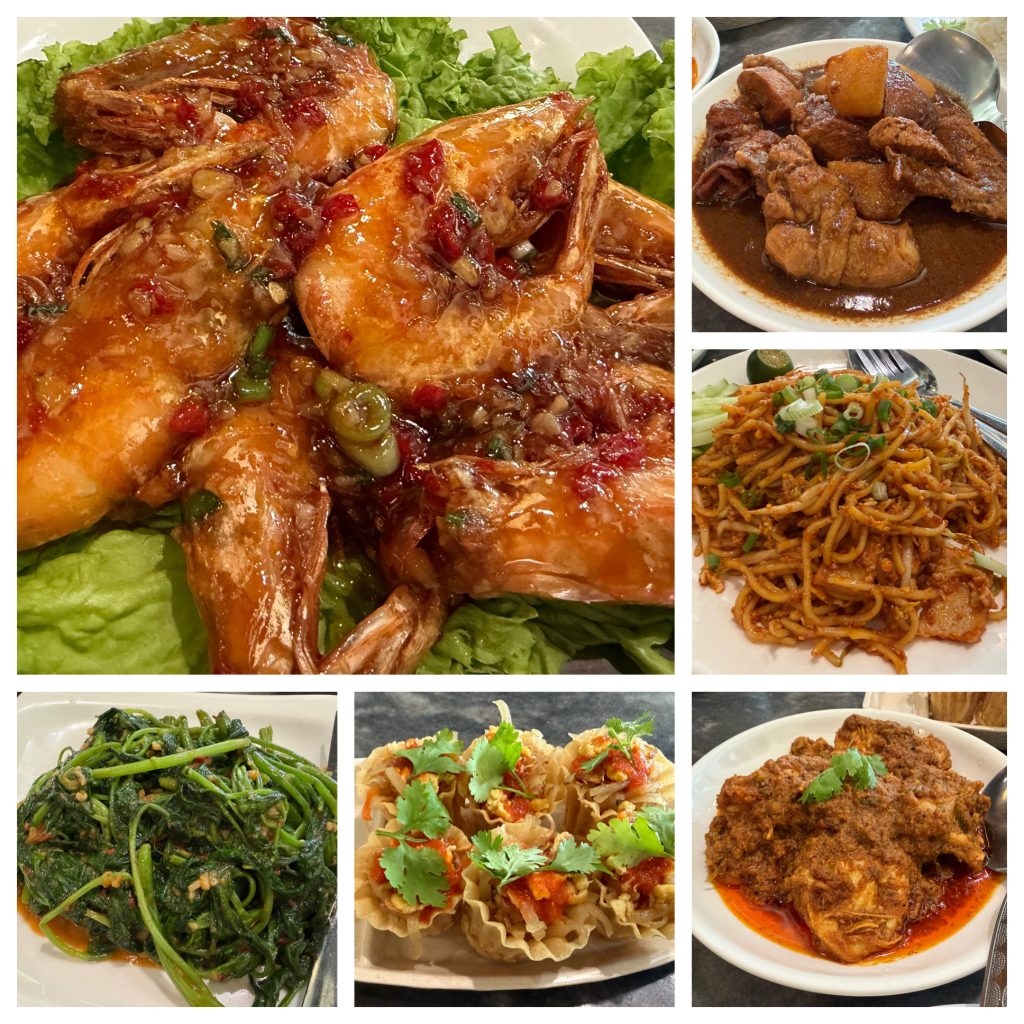
We had dinner at Lin Neo, a peranakan (Nyonya and Baba or Chinese/malay mix) restaurant. The food was authentic and delicious.
My favorite was Chendol dessert, a delicacy in Melaka. It was much more flavorful than other places we’ve been to in Ipoh. I believe the secret is the local sugar in Melaka.
After dinner, we went to A Famosa.
A Famosa (Porta de Santiago)
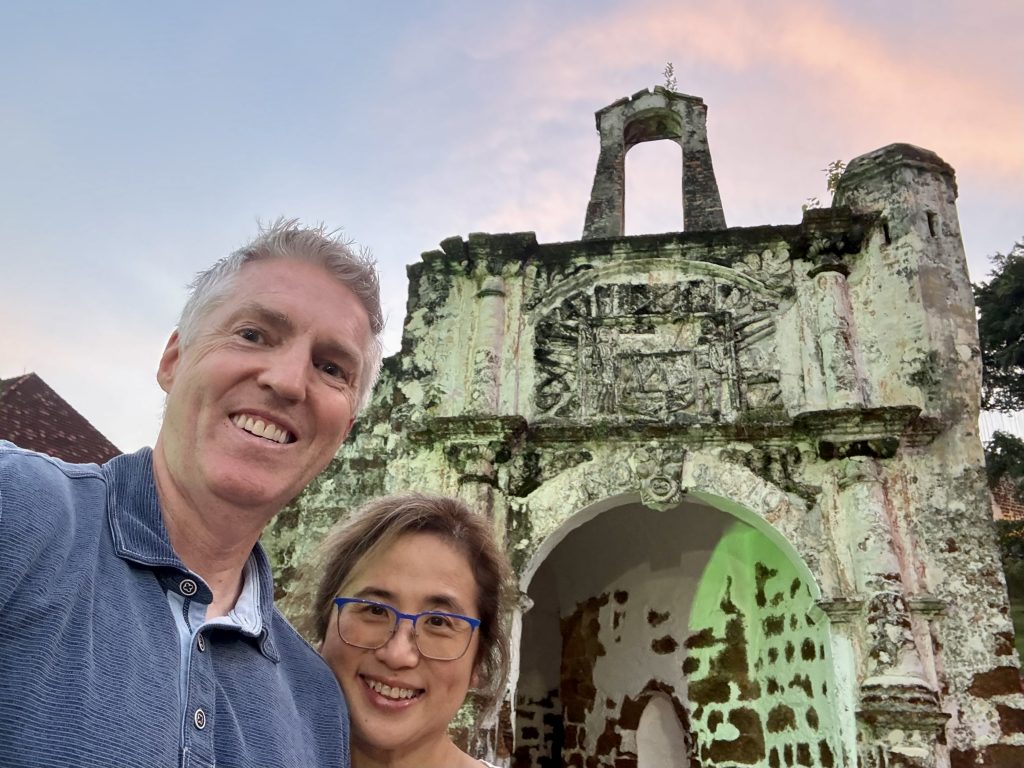
The last remaining gate of a once-formidable Portuguese fortress built in 1511 after the conquest of Melaka. This laterite-stone archway, with its Dutch VOC emblem and 1670 date carved above, is one of the oldest surviving European structures in Southeast Asia. Most of the original fortress was demolished by the British in the early 1800s; this gate was spared thanks to Stamford Raffles.
After that we hiked up Bukit Melaka which overlooks the Strait of Melaka and where the old St. Paul Church is located.
St. Paul’s Church
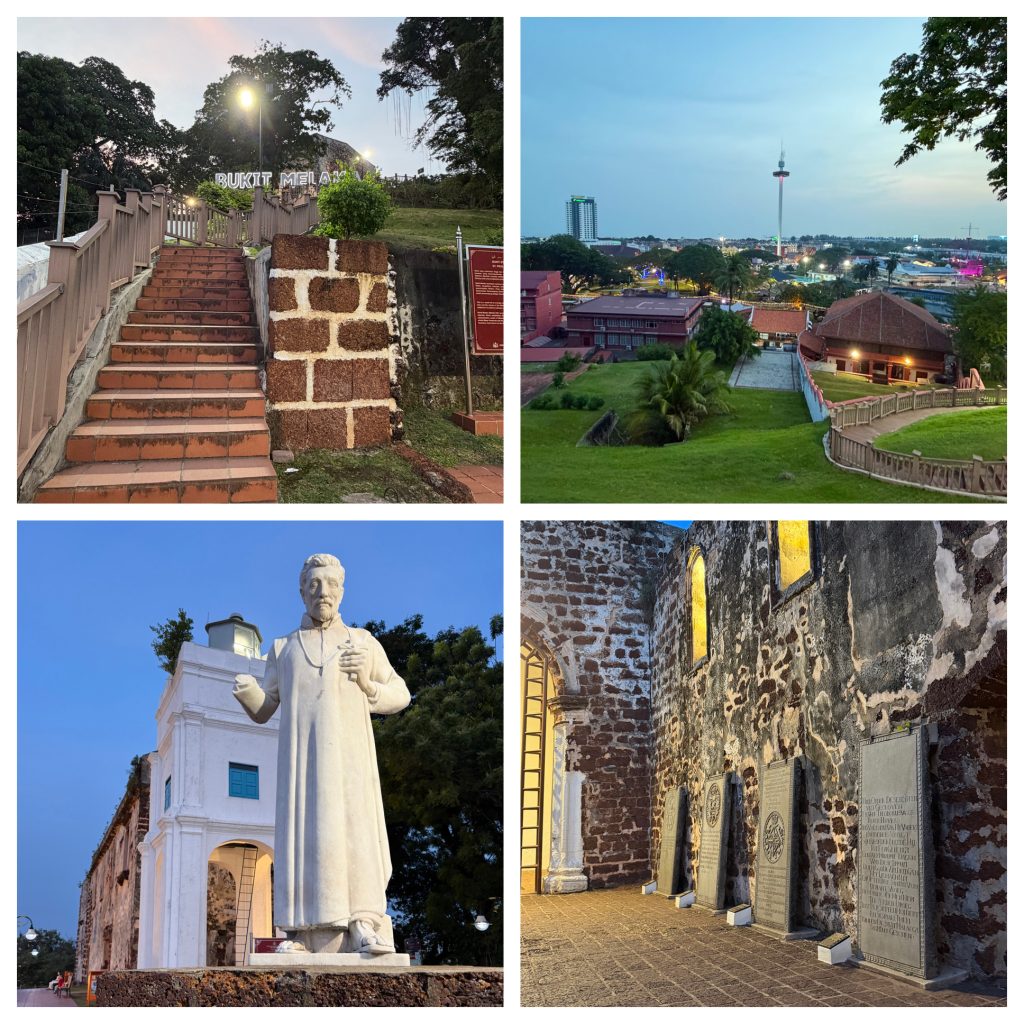
Perched at the top of St. Paul’s Hill just above A Famosa, this roofless 16th-century Portuguese church now stands as atmospheric ruins. Built in the 1520s and later used as a burial site (St. Francis Xavier’s body was briefly interred here), it offers sweeping views over Melaka’s old town and the Straits. Old tombstones still lean among the weathered walls.
Muzium Kesultanan Melayu Melaka.
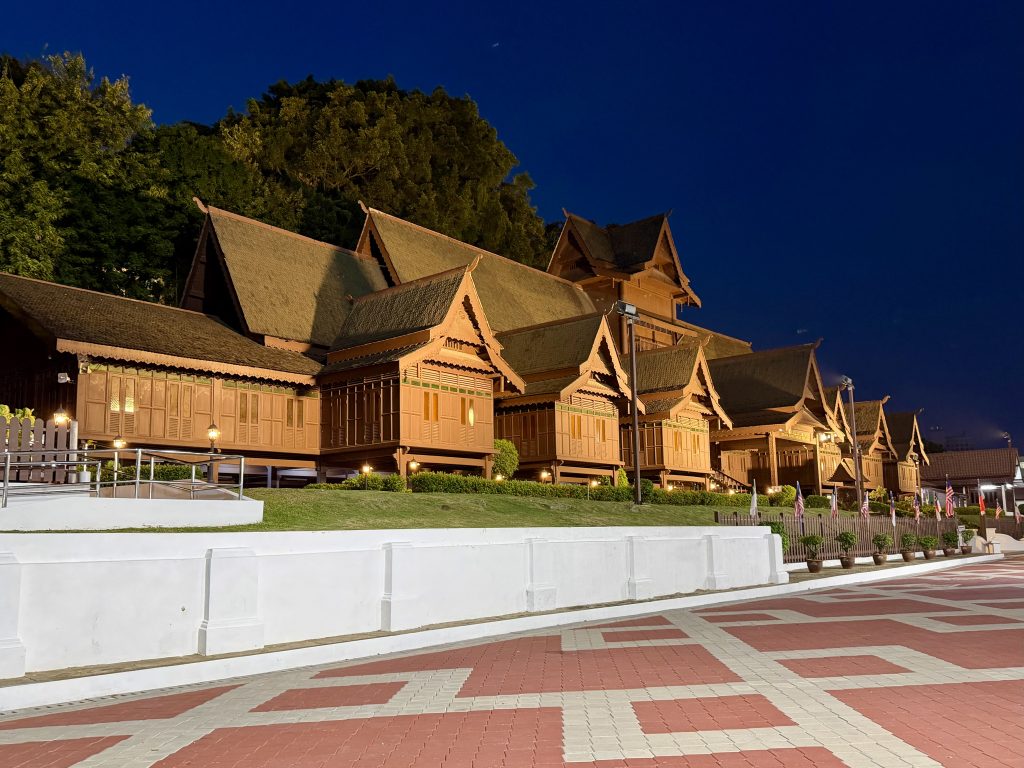
A wooden replica of Sultan Mansur Shah’s 15th-century palace, built to show what the Melaka court looked like before the Portuguese came. Inside: the sultanate’s story—trade, Islam, court life, and the port that once drew ships from across Asia.
It sits below St. Paul’s Hill, near A Famosa. Melaka as a kingdom, not only as a colony.
Proclamation of Independence Memorial (Memorial Pengisytiharan Kemerdekaan)
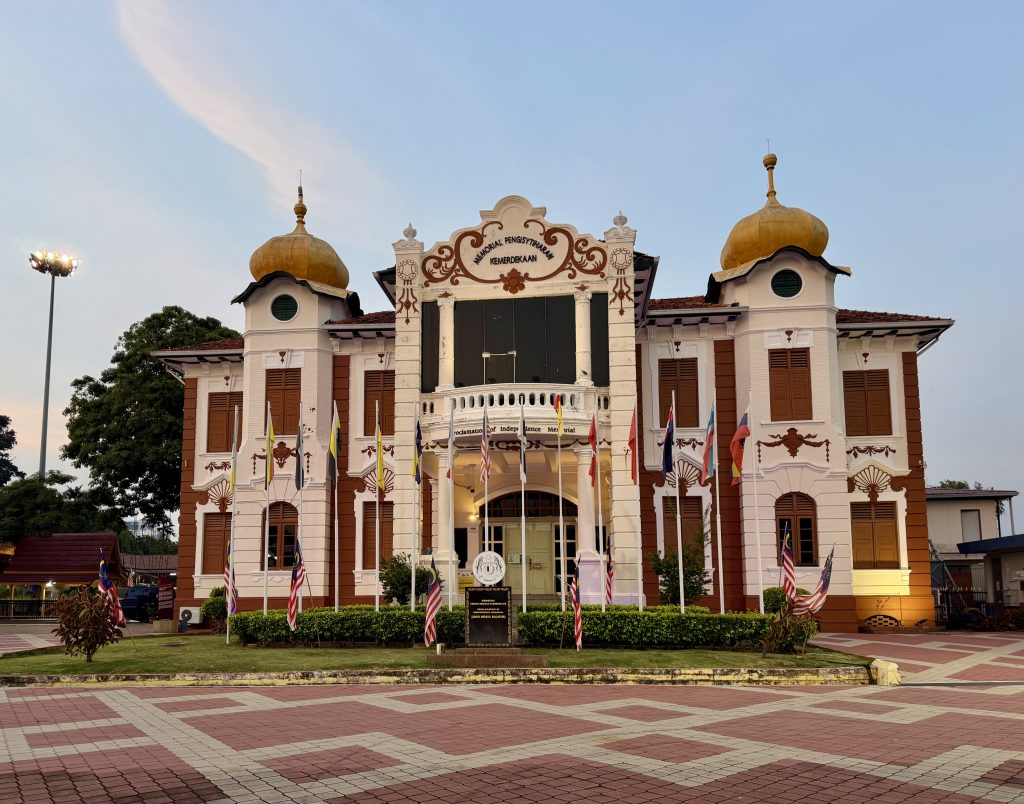
Built in 1912 as the Malacca Club, this building looks across Padang Pahlawan. In February 1956, after the London talks, Tunku Abdul Rahman came here and named the date: 31 August 1957. Independence itself was proclaimed later in Kuala Lumpur. This is where the country first heard when it would be free.
White walls, gold domes, the flags out front. A colonial clubhouse that became a memorial to Merdeka.
Day 2
Breakfast at the hotel was fabulous! We started our day visiting Jonker Street, and then Dutch Square, and the Peranakan Museum.
Jonker Street (Jalan Hang Jebat / Jonker Walk)
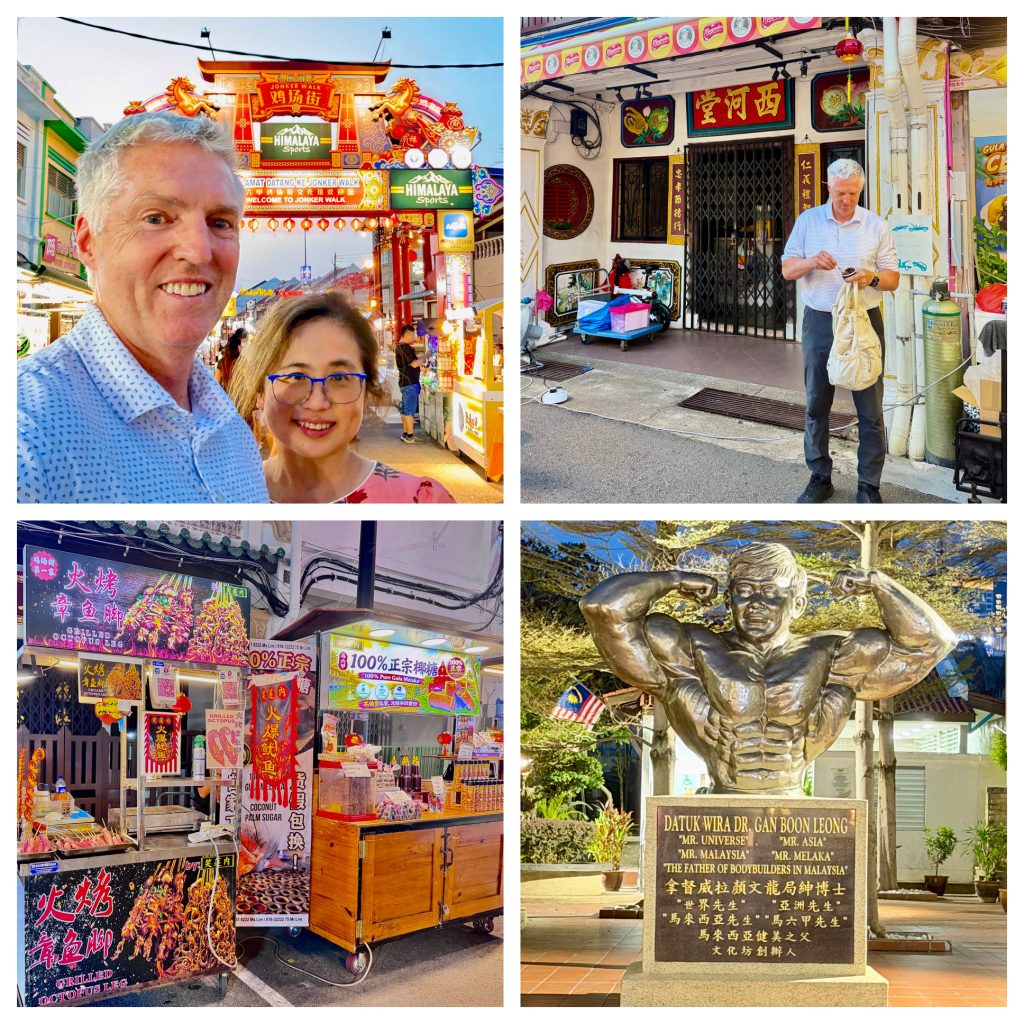
The lively spine of Melaka’s Chinatown and a UNESCO World Heritage highlight. Lined with 17th–18th-century shophouses, it mixes antique shops, Peranakan porcelain, batik, and cafés by day. On Friday–Sunday evenings it transforms into a packed night market of street food (chicken rice balls, Nyonya laksa, satay, cendol), souvenirs, and live music.
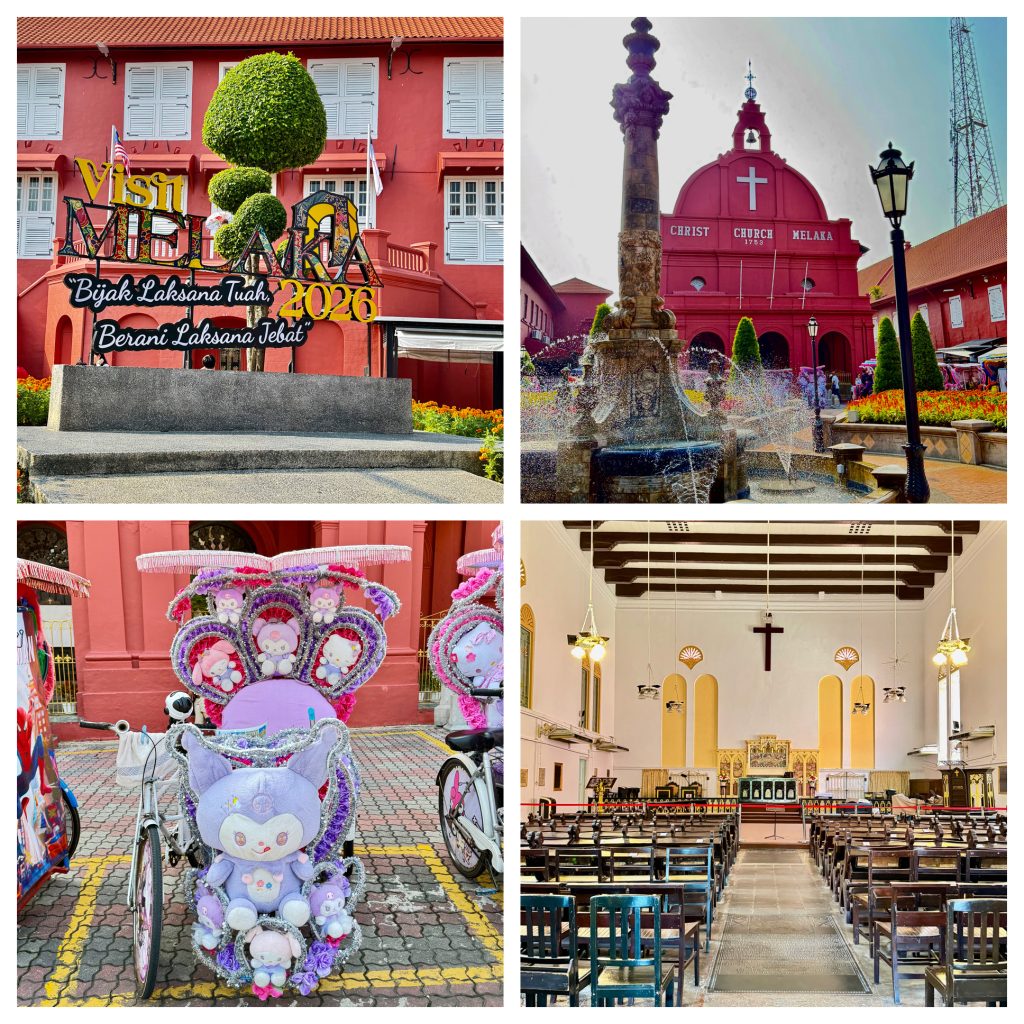
Dutch Square (Red Square)
A beautifully preserved 19th-century townhouse on Jalan Tun Tan Cheng Lock that immerses you in the refined world of Melaka’s Straits Chinese (Baba-Nyonya) community. Period rooms display intricate blackwood furniture, gold-leaf carvings, embroidery, wedding chambers, and everyday objects that blend Chinese, Malay, and colonial influences.
The photogenic heart of Melaka’s historic centre. Surrounded by striking crimson Dutch colonial buildings (notably the 1650s Stadthuys, once the governor’s residence and now a museum complex, and Christ Church from 1753), it features the Queen Victoria Fountain and a constant parade of colourful trishaws. Free to wander and the classic starting point for exploring the old town.
Peranakan (Baba & Nyonya Heritage) Museum
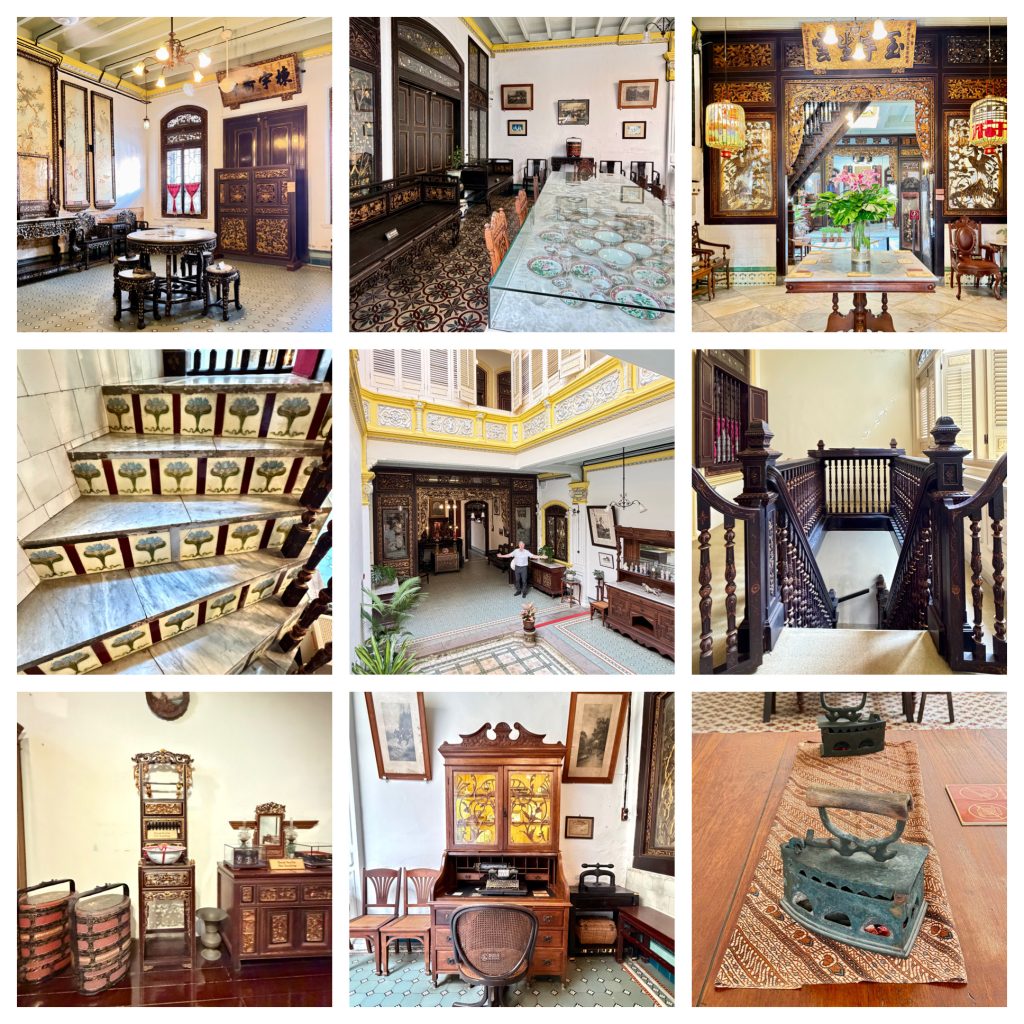
Guided tours reveal the lifestyle of a wealthy Peranakan family.
Cheng Ho (Zheng He) Cultural Museum
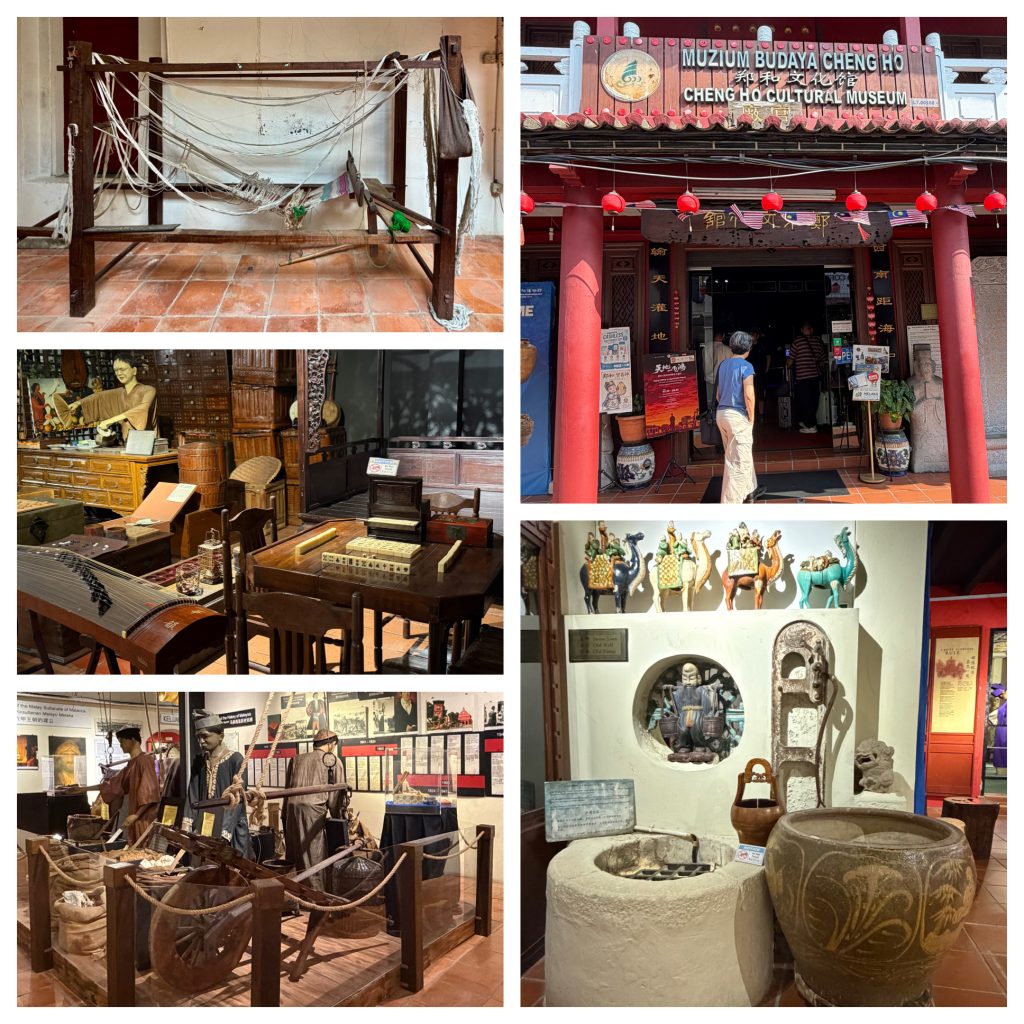
Dedicated to the legendary Ming Dynasty admiral who visited Melaka multiple times between 1405–1433.
Housed in restored historic shophouses near the river (believed to be near the site of his old warehouse complex), it features ship models, navigation instruments, dioramas of his voyages, trade goods, and exhibits on cultural exchange between China and Southeast Asia.
One of the largest Zheng He museums in the world.
These four spots sit close together in Melaka’s compact heritage core and pair perfectly for a half- or full-day exploration.
Dinner at Peranakan Mansion
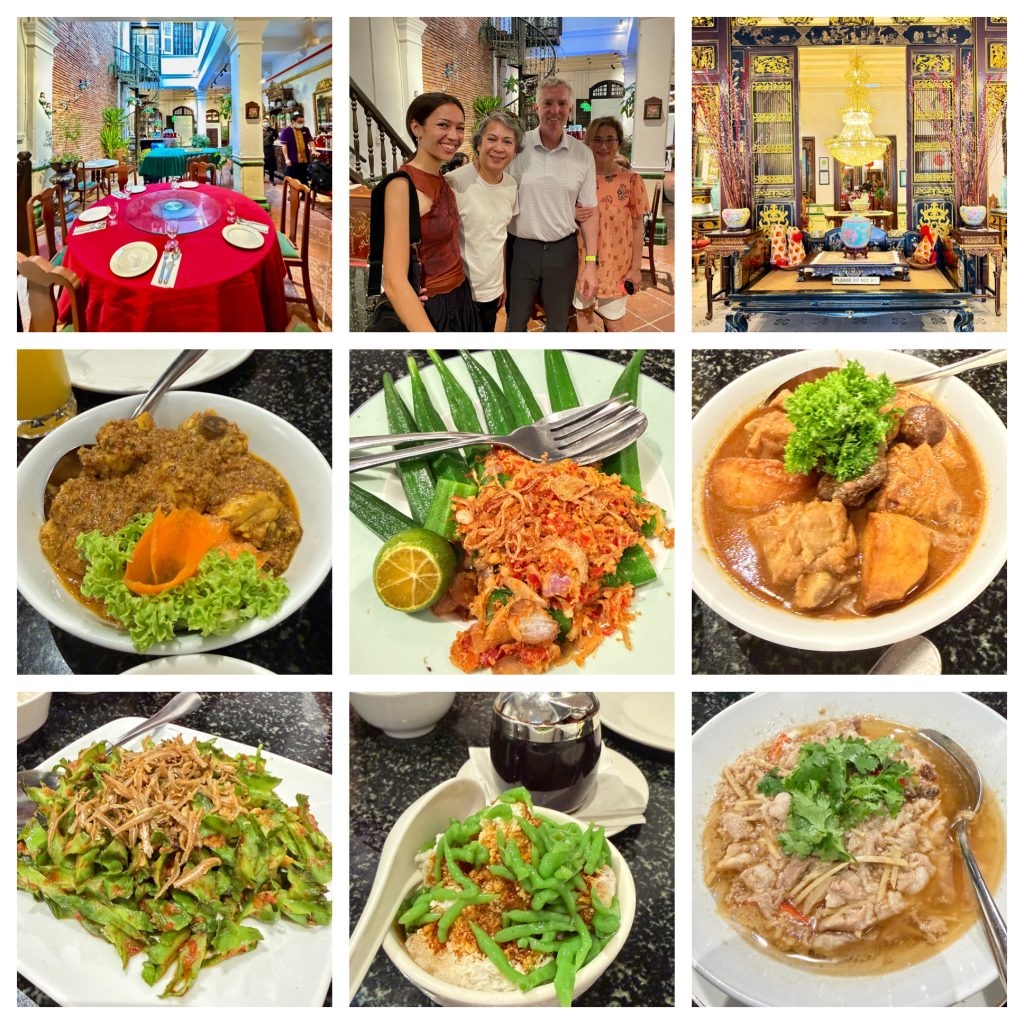
A few days in Melaka, the old port city on the Strait.
We climbed St. Paul’s Hill for the view over the water, then walked the ruins of St. Paul’s Church and A Famosa. In town we lingered at the Baba & Nyonya Heritage Museum, the Cheng Ho Museum, and Jonker Street after dark.
Loved the heritage sites—and the food. Chendol here is as good as it gets, and all the other food we ate while in Malacca was pretty great as well.
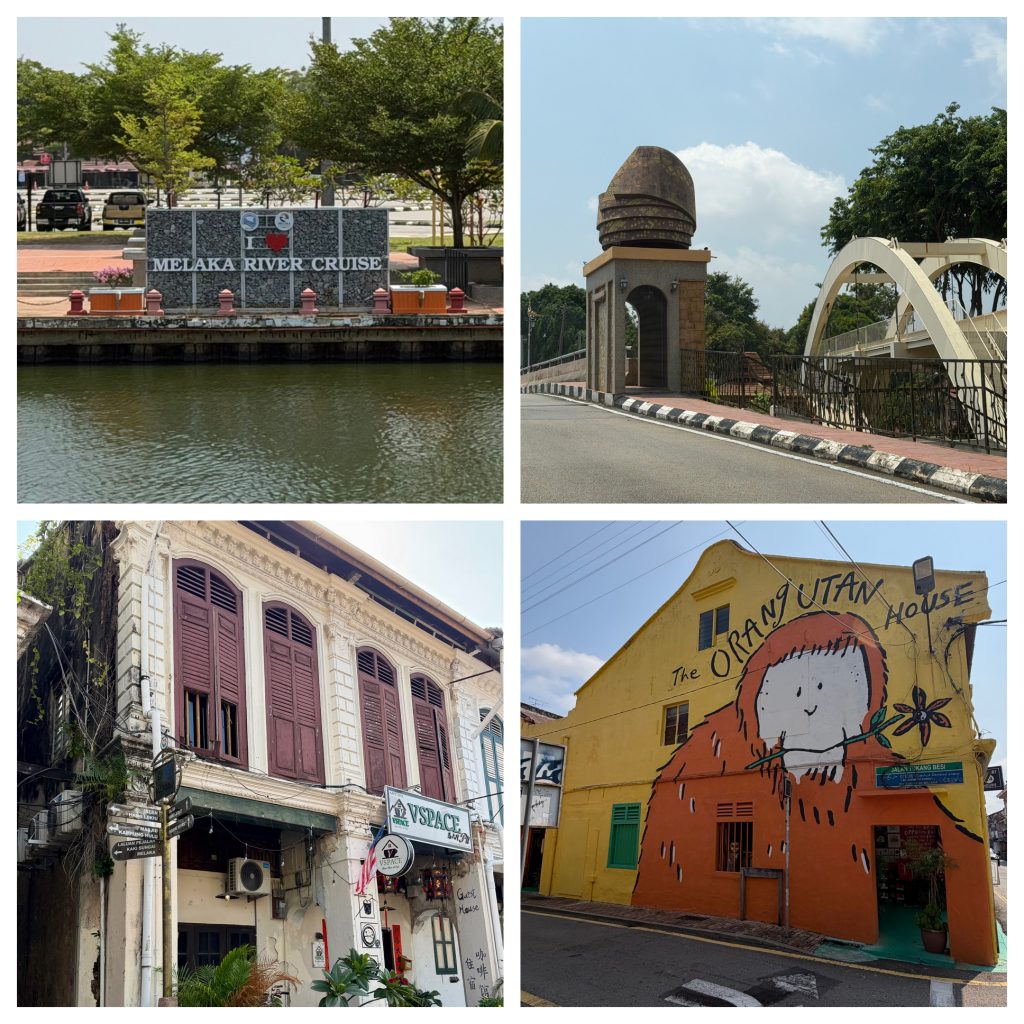
Melaka’s historic core is a compact, river-and-hill trading port whose layout and stone infrastructure were first reshaped by the Portuguese after 1511, when they razed much of the Malay city and built the A Famosa fortress (only the Porta de Santiago gate survives) plus churches such as St. Paul’s on the hill. The Dutch, who seized the city in 1641, rebuilt and enlarged the fortifications, added bastions, and erected the red-brick Stadthuys and Christ Church while imposing a more regular street grid of civic buildings and shophouses that still give the UNESCO-listed old town its distinctive European colonial character.
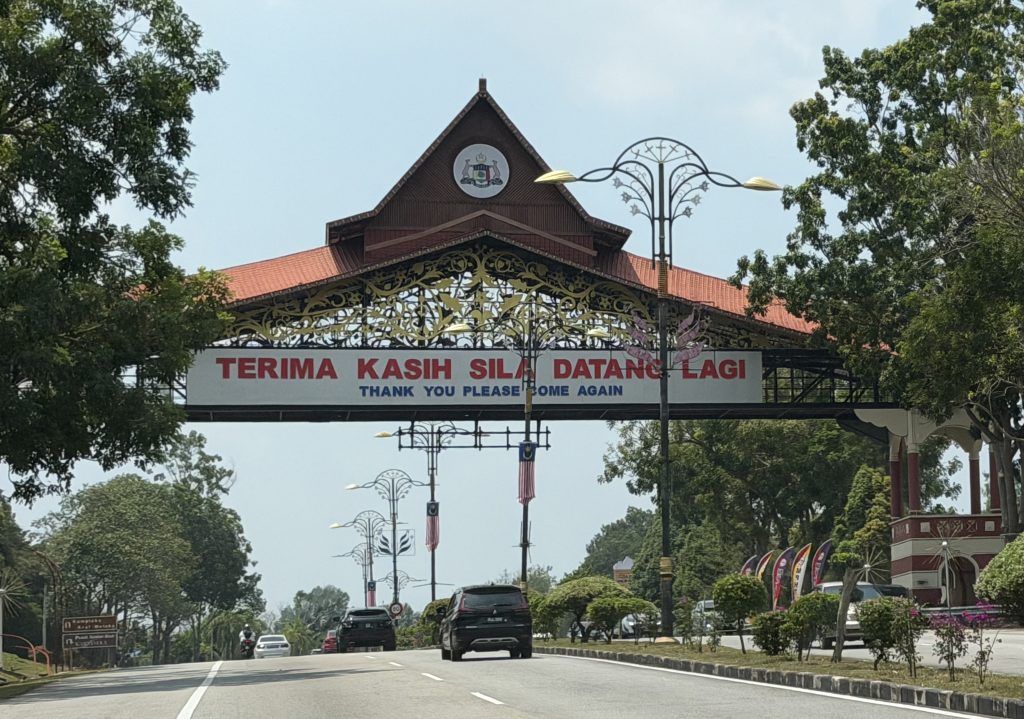
Until next time Melaka!