
 Swan Bradshaw
Nagoya, Japan 2017
Day 1
We took A Shinkansen bullet train ride from Tokyo to Nagoya. We managed to capture a beautiful pic of Mount Fuji during the ride and made a mental note to return someday for a hiking excursion, but that is not this trip.The bullet train covering 200 miles in 1.5 hours from Tokyo to Nagoya was quite the experience

Inuyama Castle Town (Jokamachi)
We explored Inuyama Castle Town (Jokamachi), which is about 30 mins drive from Nagoya. We had a great time enjoying Japanese street food and shopping for souvenirs… Jokamachi is the town immediately surrounding Inuyama Castle.

The main streets in Jokamachi are lined with souvenir shops and Japanese street food. It was really fun!

We had the pleasure of spending all weekend with our niece and her family and had an amazing time.

Inuyama Castle 犬山城

We took a short hike up to Inuyama Castle standing on a hill overlooking Kiso River. The tenshu (keep), or the highest tower within the castle, of this castle has been determined to be the oldest of the 12 original remaining castles in Japan, with constructions dated back around the 1580s. The tenshu symbolizes the wealth and power of the owners with little emphasis on defense, unlike those in the European countries.


Kiso River
Picture taken from the top of Inuyama Castle.

Jinja Shrine


Day 2
We had a fun day exploring the City of Nagoya, admiring all the unique architecture, catching Pokémon at Shirakawa Park, Oasis 21 and Nagoya TV Tower, and ended the day with BR ice cream – Nagoya-shi, Aichi, Japan
Gakuen Spiral Building

Hisho
The spiraling silver structure in the middle of a roundabout is Hisho 飛翔(Flight) Monument designed by architect Ii Shin which symbolizes the unification of residents in Nagoya and transmitting information to the world.
The building behind Hisho is Dai-Nagoya.
Next to Hisho is Nagoya Station, a building with cylindrical structures; the shorter one is the hotel and the taller one houses many offices. Nagoya Station has many shopping centers including Takashimaya. Shops at Nagoya Station covers a wide range of merchandise including high-end clothing, cute Japanese stationary etc., … Din Tai Fung, the famous dumpling restaurant is also located at this station. That restaurant is one of our favorites so we had to make a stop!

Nagoya City Science Museum

Oasis 21
Oasis 21 is a complex with a space- shaped rooftop,l a hub for bus terminals with many restaurants including Baskin Robbin Ice Cream and various shops in the lower level. It is adjacent to Nagoya TV Tower.

Nagoya TV Tower

Day 3
Toyota Commemorative Museum of Industry and Technology
The Toyota Museum was fascinating!

Toyota company started out as a textile developer and then over the years evolved into an automobile factory. This museum displays cars from different eras, the evolution of automobiles, history of textile production, and high tech displays including a robot playing the violin. We had a wonderful experience visiting the museum and learning the history of the evolving automobile and textile industries.

A day in Nagoya was well-spent with Elisse/Brad/Amelia/Dean and Skye. Elisse and her kids were fantastic hosts, they showed us around their house and then took us to lunch at a local curry shop, CoCo Curry House, which was really tasty. Then we went to the Toyota Museum which was fascinating, then met Brad for dinner and a tour of the city. It was great to see them, Dean absolutely loves Kevan, Tina is Amelia’s new best friend, and Skye just loves everyone. Travis couldn’t stop chuckling at the kid’s antics.

Day 4
Nagoya Castle
The Nagoya Castle is an amazing site to visit and learn about Japanese medieval history. This castle was built in 1612, replacing an earlier castle that had been built on the same site. It was built by the Owari Domain which is part of the Tokugawa clan, also known as the Nagoya domain because of its association with this very castle, although there were various other land holdings included.
Nagoya Castle was always a critical part of this area and became the core part of the modern Nagoya town, and castle ownership was ultimately transferred to the city in 1930. The Castle was partially destroyed in 1945 during WWII, with renovation and rebuilding occurring starting in the late 1950s.

The castle is also locally referred to as Meijō (名城), which is also used for other Nagoya city institutions. Sometime the castle is also called the Golden Castle.


The New Honmaru Goten Palace
The Honmaru-Goten Palace is a very interesting place to visit. It is somewhat unique in terms of architecture because there are very few remaining palaces in Japan that were built during the Edo-period. This palace was originally built during the mid -1600s, then destroyed by fire in 1788, then rebuilt and once again demolished in 1881. This restored palace represents the royal residence of an imperial princely family. So when you visit, you can see what an imperial family would have lived like during that time. After it was moved to Nino-jo, the palace served an important role as an imperial villa, having accommodated Emperor Taisho (1879 to 26) nearly 10 times when he was still a prince. The Honmar-Gutenberg Palace is composed of a series of four buildings: Genkan; Goshoin; Otsune-Goten; and Daikoro and Kari-no-ma.

Osu Shotengai Shopping Street
This is a major shopping place in Nagoya, you can literally find anything you can think of including Japanese kimono fabrics, traditional clothing, traditional or modern souvenirs, and more … In addition, you can find many street food at this place, whether at a restaurant or from a stand. It maybe a challenge to find a place to sit if you are eating in but it’s worth the wait. This is definitely one of the more crowded shopping place in Nagoya!

We got back to Tokyo at about midnight, and Tokyo station was still absolutely jam-packed with people, unbelievable, that place never stops. What a fantastic day!

Japan was definitely a place we would visit again. It’s clean, full of history, good shopping and yummy food. But for now, it’s time to go home…

Back in Nagoya 2026
Day 1

Arrived in Nagoya at around 6pm. After getting through immigration, Taylor found us at the international terminal, and we decided to take the taxi to our Airbnb at the Samurai House. We had to take 2 taxis for the 6 of us and each one costs about $135/ 21,000 yen.
Samurai House
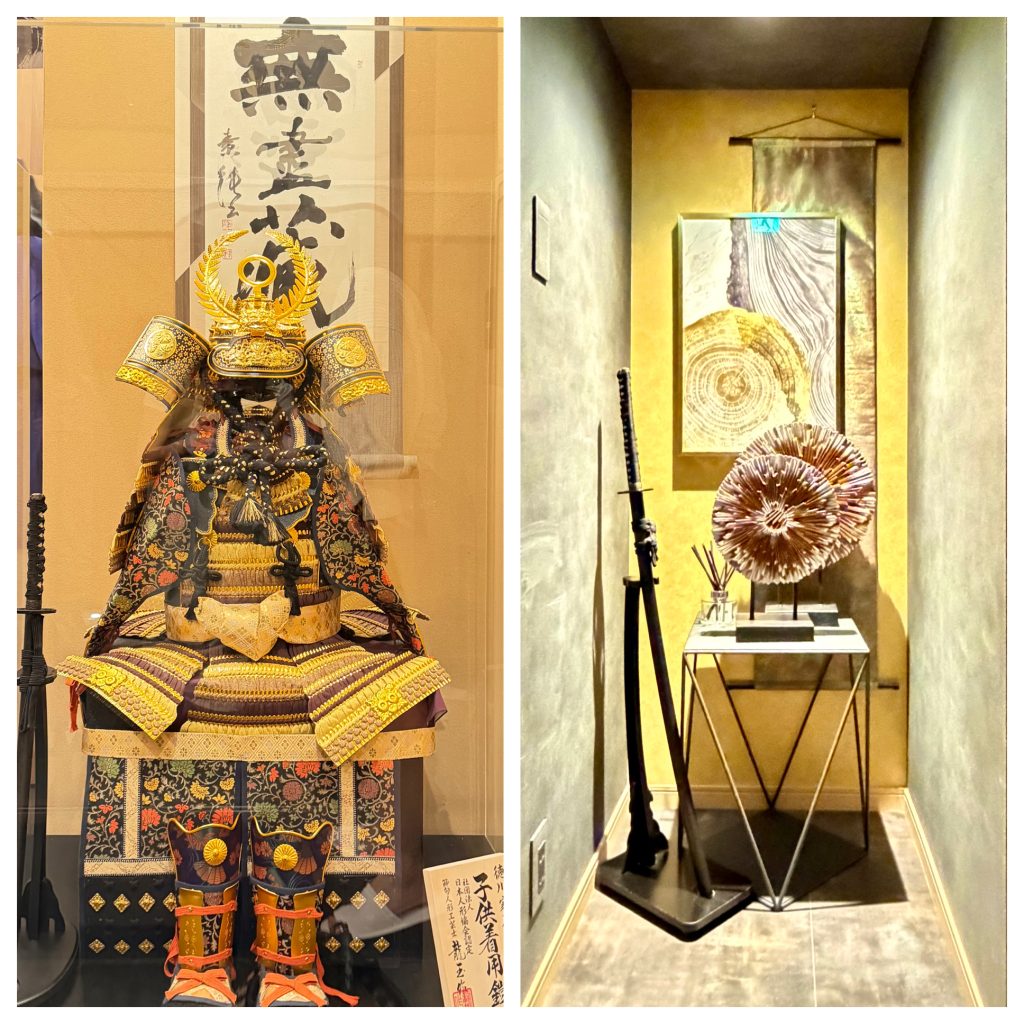
Our Airbnb for the next few days!
Day 2
Ghibli Park

Today we took the express bus from Nagoya out to Ghibli Park, and it felt like stepping straight into a Studio Ghibli dream. The park was magical even on a weekday—lush greenery everywhere and that gentle, whimsical atmosphere that makes you feel like a kid again.
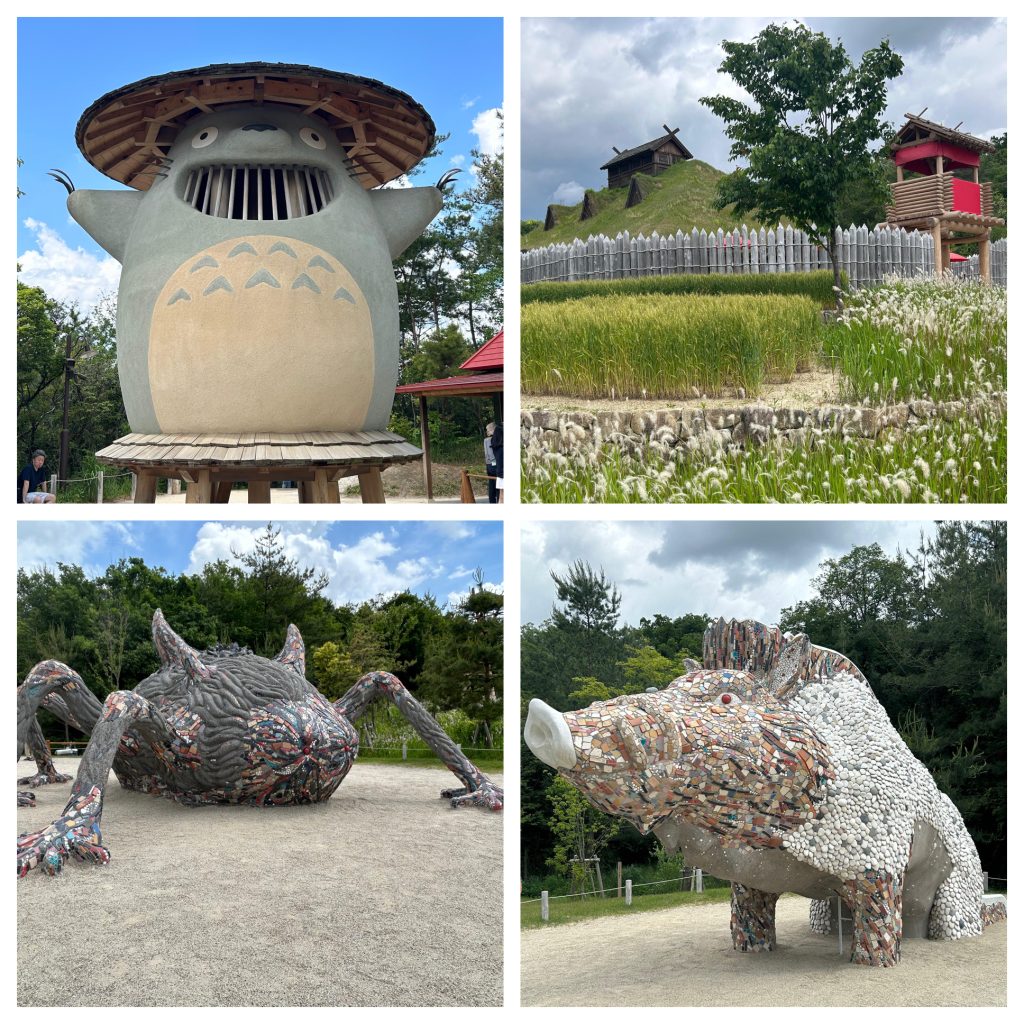
Dondoko Forest
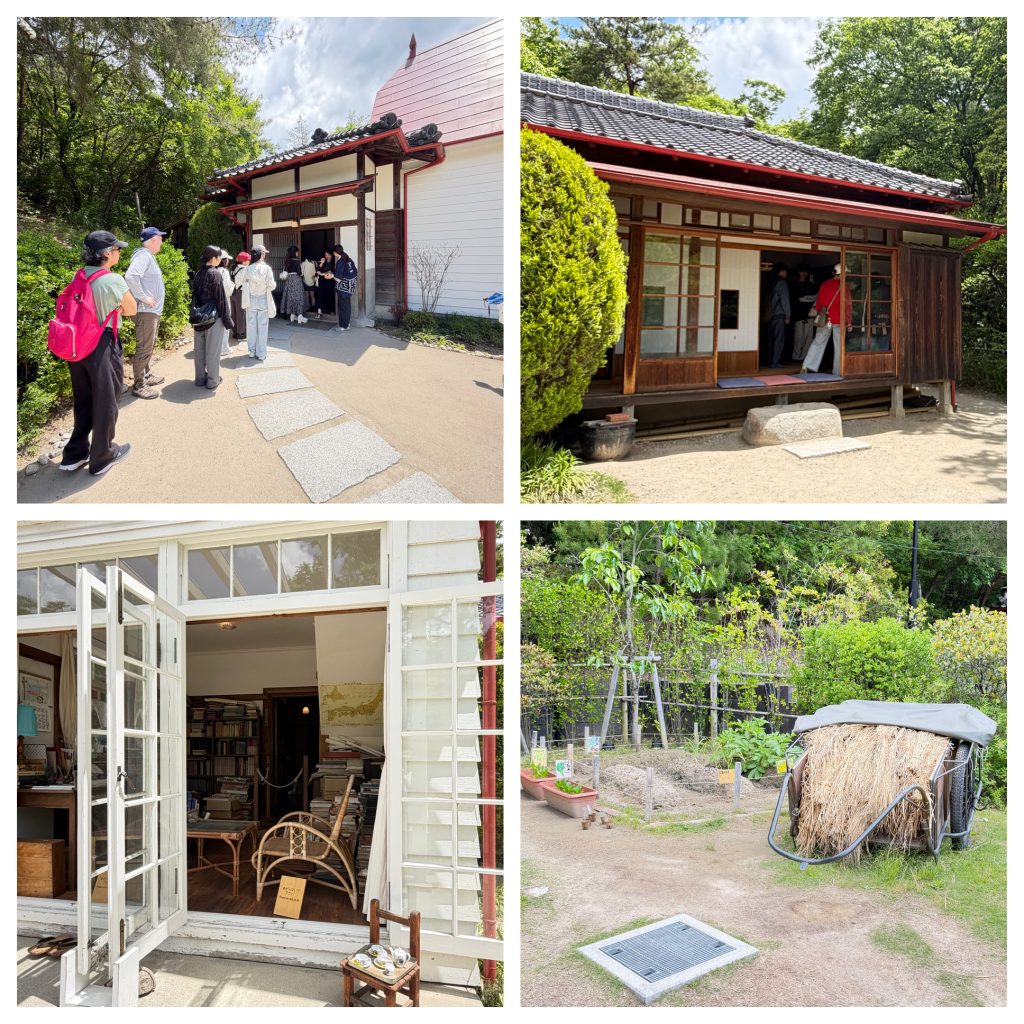
We spent the afternoon wandering through Dondoko Forest, soaking in the peaceful woodland paths.
Ghibli Warehouse
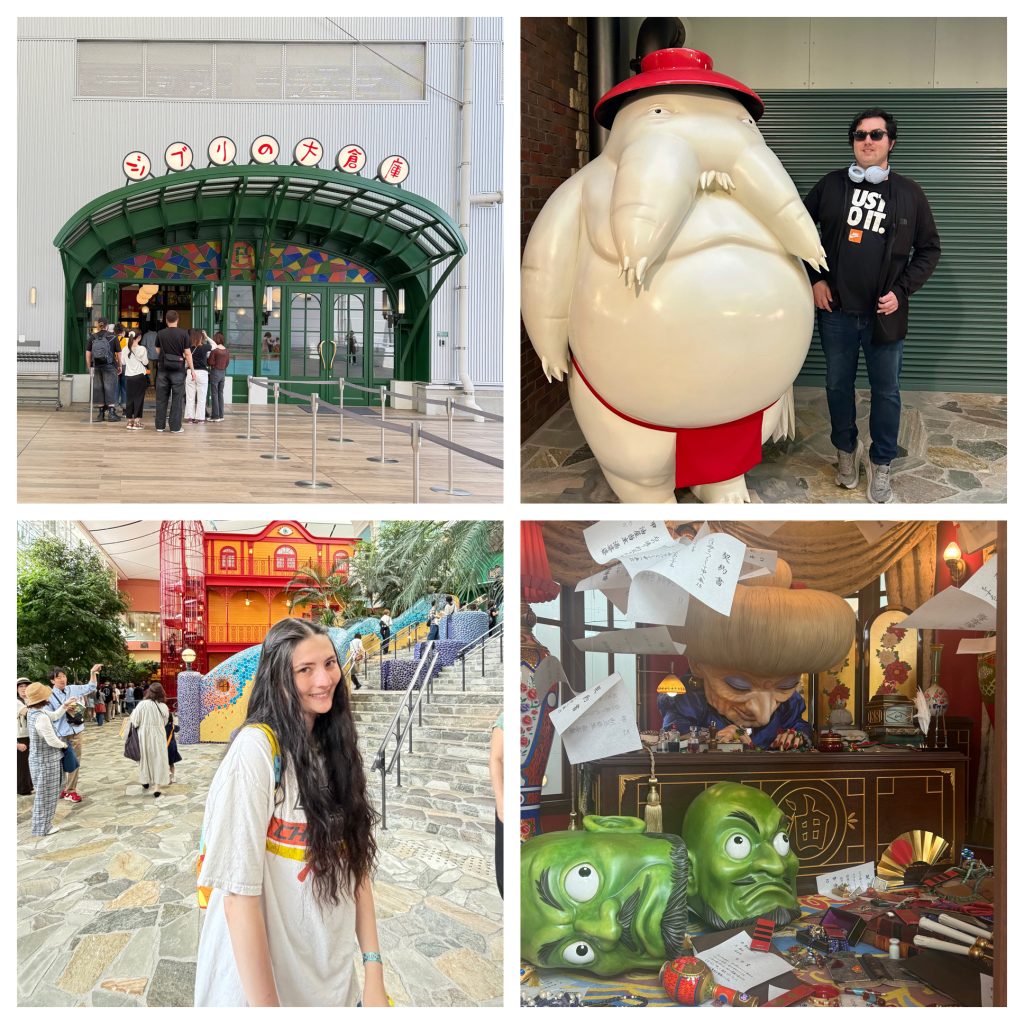
Then we explored the massive Ghibli Warehouse with its endless exhibits, concept art, and short film theater.
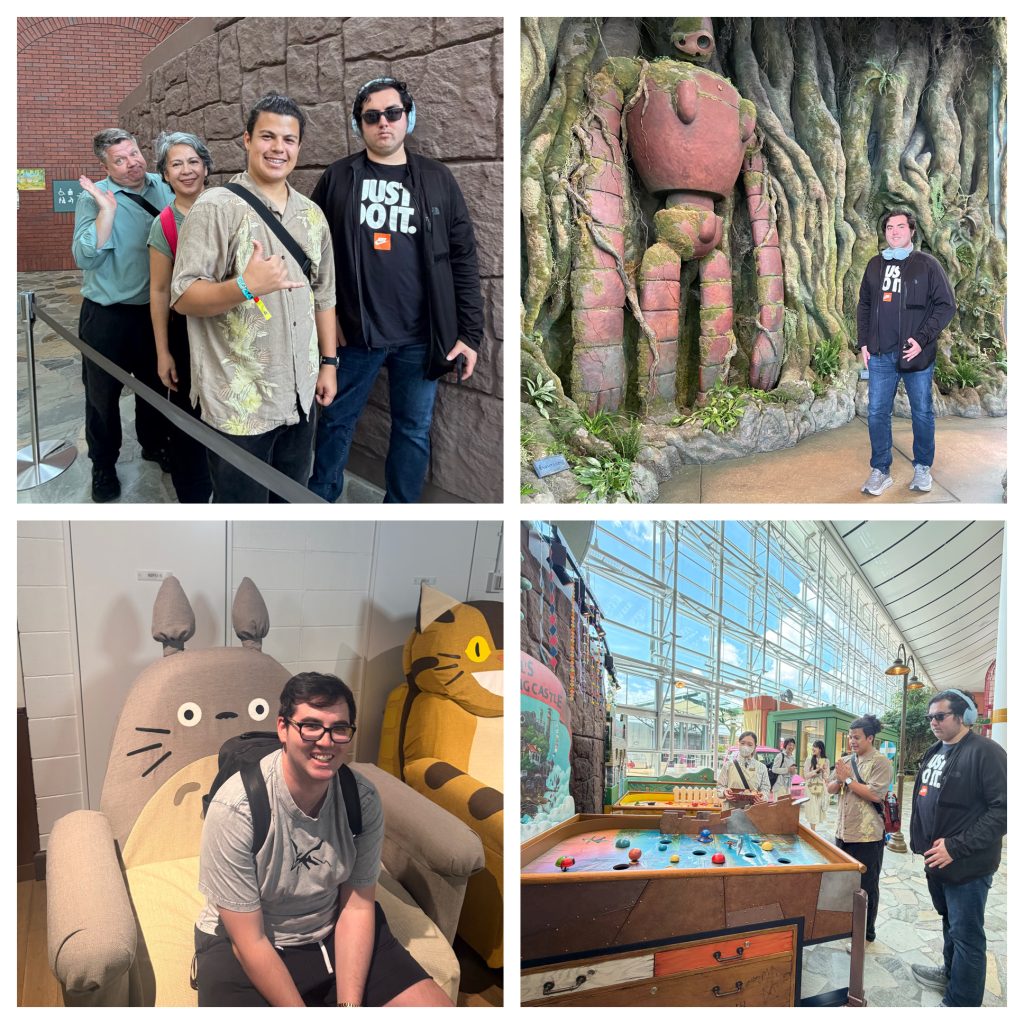
After which, we strolled down the enchanting Witch’s Alley, where the shops and architecture perfectly captured the cozy, storybook feel of Kiki’s world. The attention to detail was incredible; every corner invited you to slow down and imagine.
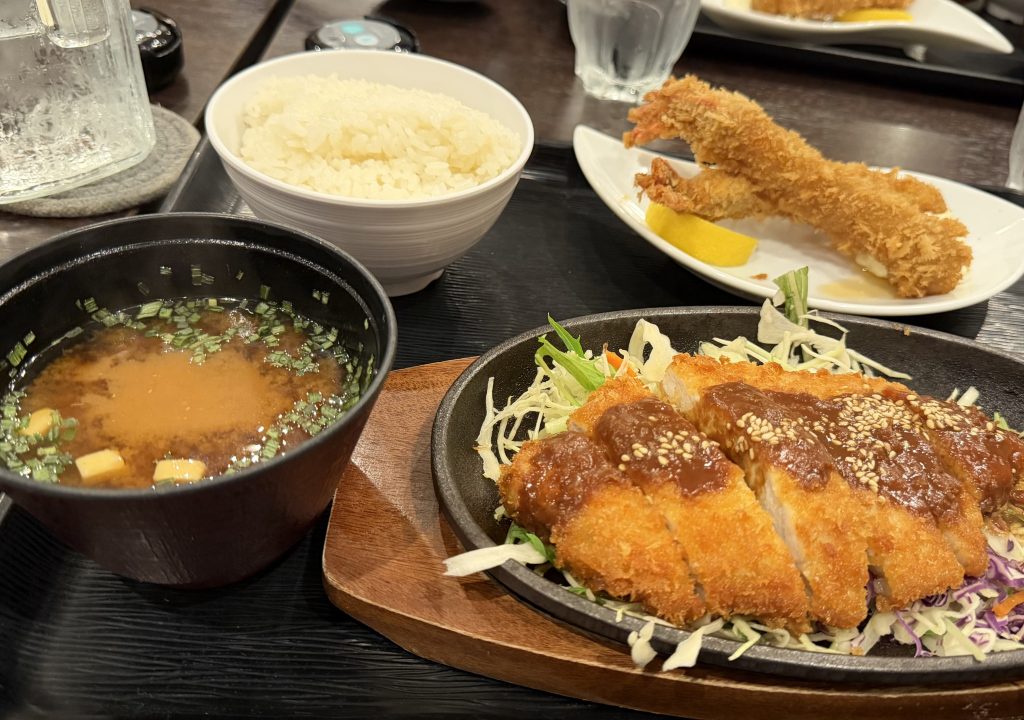
In the evening we returned to Nagoya Station for dinner. The bustling station felt like a lively contrast to the park’s serenity—bright lights, the hum of travelers, and the aroma of miso katsu and hitsumabushi filling the air. The Burchams treated us to a nice dinner of Nagoya-famous miso tonkatsu, a great local meal and reflected on how perfectly the day blended fantasy and everyday Japanese life. A truly special blend of wonder and comfort. What a memorable day!
Day 3
Our original plan was to travel from Nagoya north to Fukui to see their Prefectural Dinosaur Museum (top collection, skeletons, fossils, animatronics). However, we reconsidered that plan because the train to Fukui would have required us to backtrack to get to our next destination and made that next travel day an 8 hour day of connecting trains and buses. Accordingly, we wound up, extending our stay in Nagoya by one day. Yes, we wasted a prepaid night on the Airbnb in Fukui, but we’ve saved ourselves a huge amount of tiring travel time and can now enjoy Nagoya at a much more leisurely pace.

We checked out of the beautiful samurai house we’d been staying in and moved into the Nagoya Station Marriott as we couldn’t extend our Airbnb, which feels wonderfully convenient after all the back-and-forth.
Nagoya Station Marriott
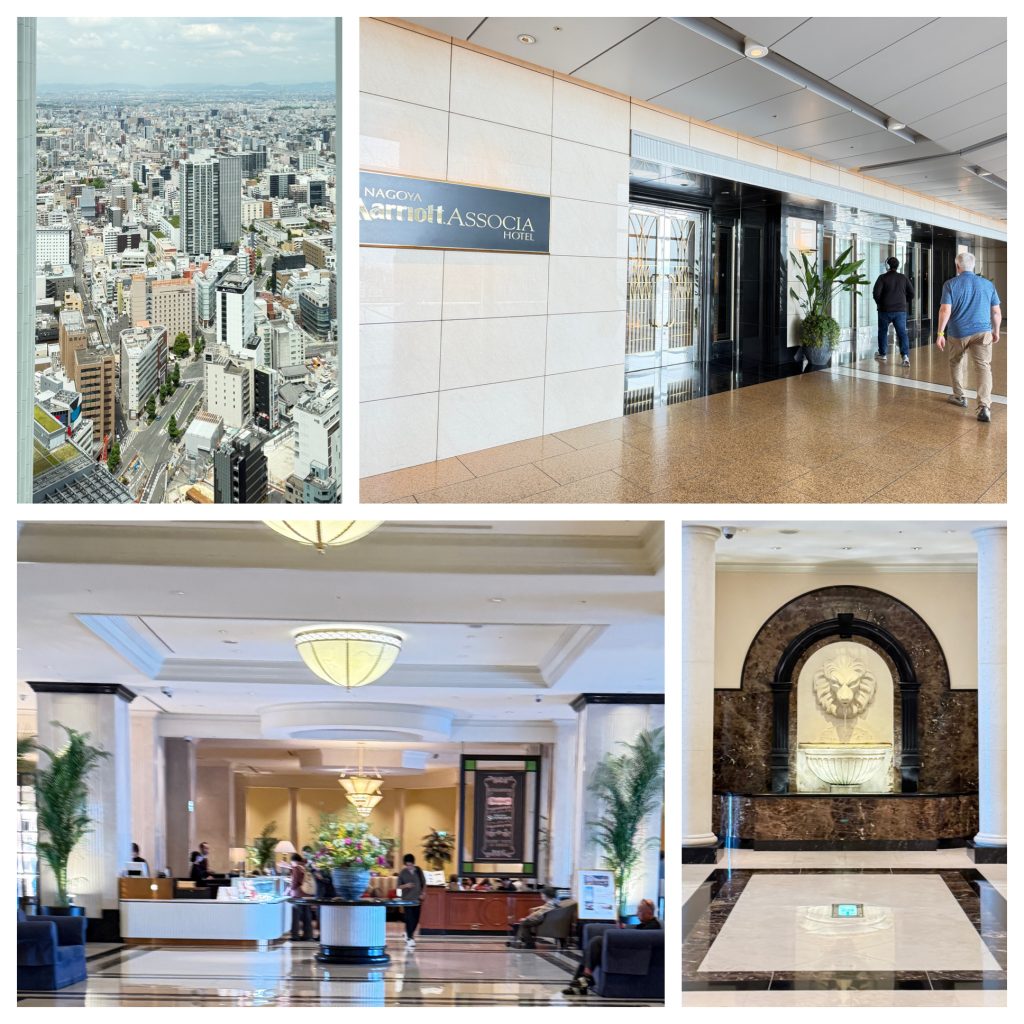
The Marriott at Nagoya Station was very nice, extremely central and convenient to the station and lots of good restaurants. We also then were able to make an afternoon trip to Nagoya Castle, which was a lot of fun. Sometimes the best trips are the ones you adjust on the fly. Looking forward to a calmer, more spontaneous day tomorrow!
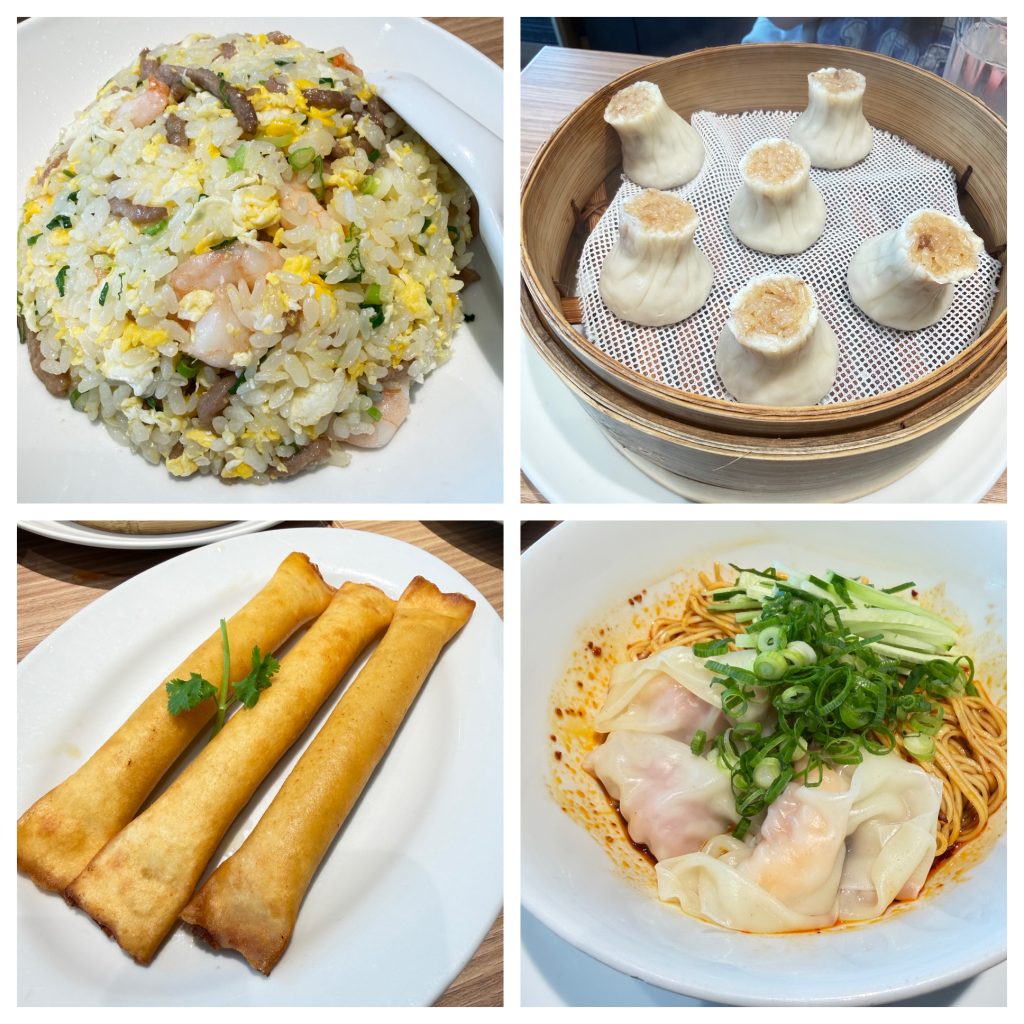
Din Tai Fung
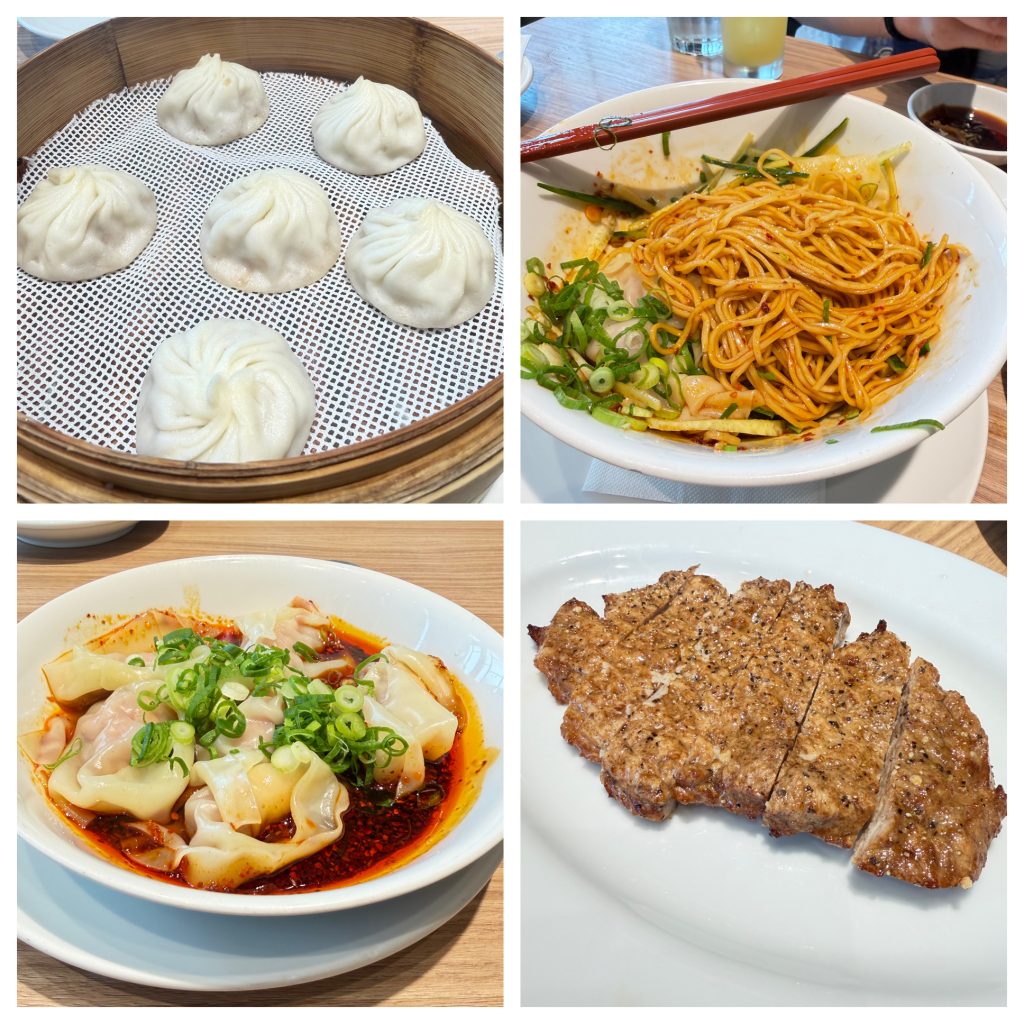
Sushi Kamon
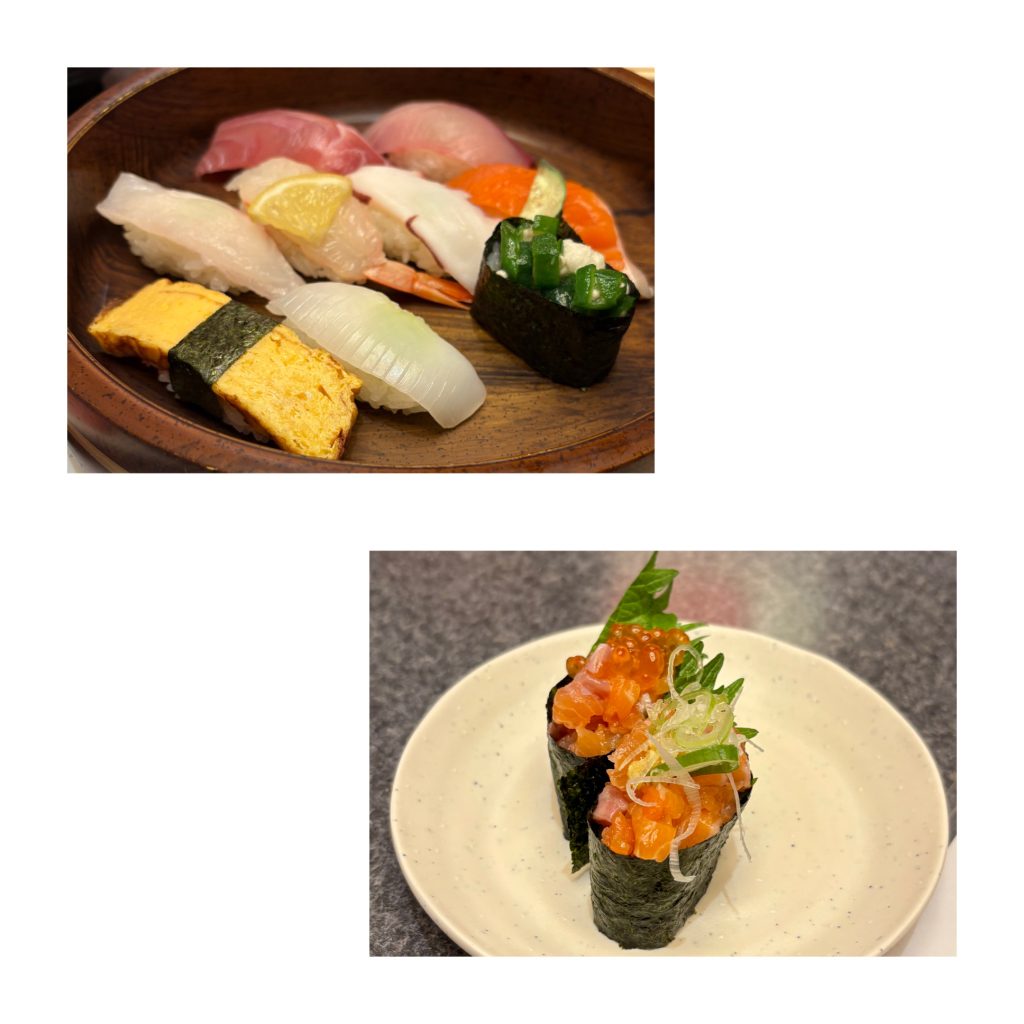
Lunch at Din Tai Fung with Nic and Tina while Travis, Taylor, and Kevan went for sushi. Our meal costed about 13,000 yen at Din Tai Fung but sushi was only about 8,000 yen. How could that be!
Travis and I also got to exercise our Japanese skills at the train office where they were able to exchange our Fukui Shinkansen tickets into a Shinkansen ticket to our next destination on the way to Mount Fuji. That train took us most of the way, but then we had to get off at Mishima and catch a bus for the last hour or so.
Unfortunately, our primary objective in visiting this area was to visit Fuji-Q Highland’s Labyrinth of Fear, but we discovered on the way that they were closing for a day for maintenance. The only day this month that they would close and it was the exact day we were scheduled to be there.
But we made the most of it, we had a great Airbnb right by Lake Kawaguchi in Fujikawaguchiko, a beautiful new villa with stunning Mt. Fuji views.
Nagoya Castle

After lunch, kevan, Nic, and I went to the Nagoya Castle. I returned to Nagoya Castle (名古屋城) after eleven years. My last visit in 2015 was when the towering main keep still stood open. Its concrete reconstruction from 1959 proudly dominating the skyline with those iconic golden shachihoko (mythical dolphin-tiger creatures) gleaming on the roof.
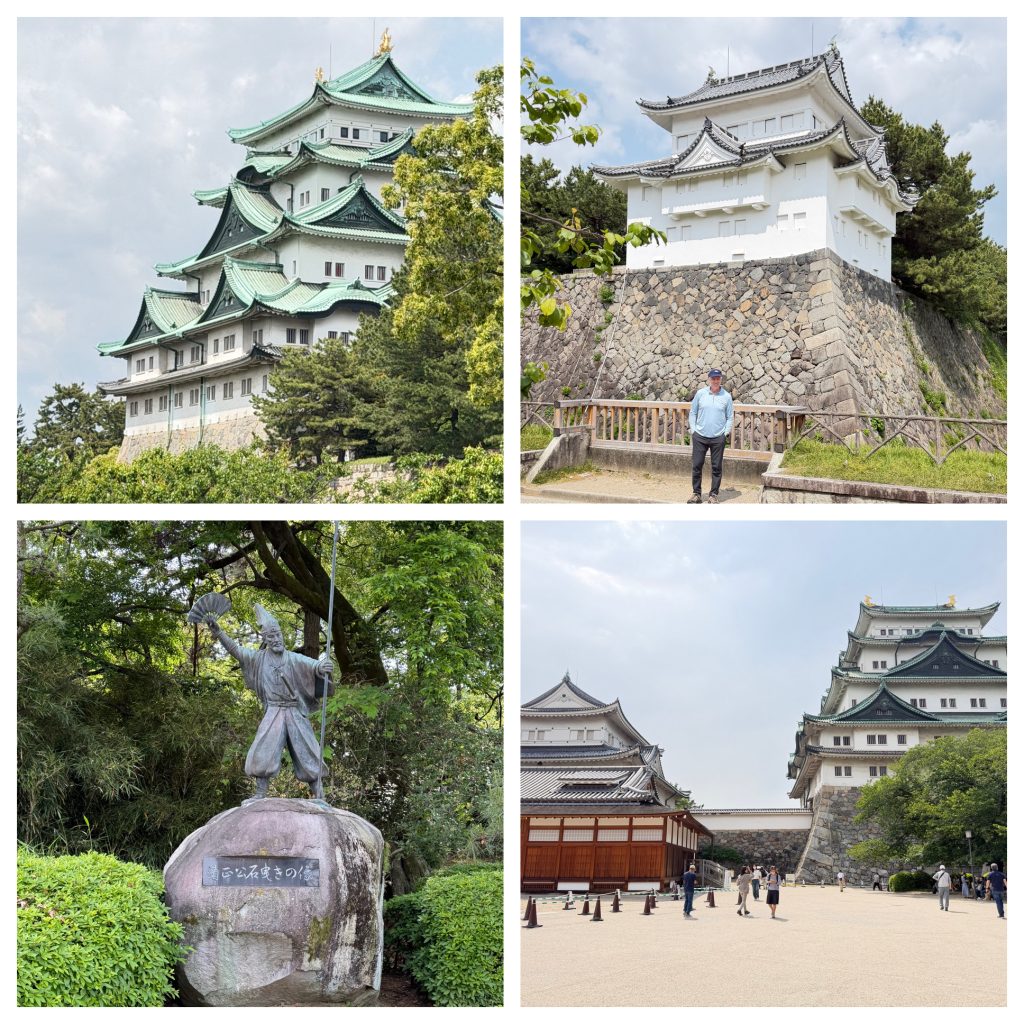
Since closing in 2018 due to aging, structural issues, and failure to meet modern earthquake resistance standards, the Tenshu has been absent, yet the experience felt richer than ever. We spent a wonderful afternoon exploring the beautifully restored Honmaru Palace (本丸御殿), which reopened in 2018 after its destruction in the 1945 air raids. Completed originally in 1615 for the first lord of Owari, Tokugawa Yoshinao, this masterpiece of shoin-zukuri samurai residential architecture once served as both residence and a lavish guesthouse for visiting shoguns.
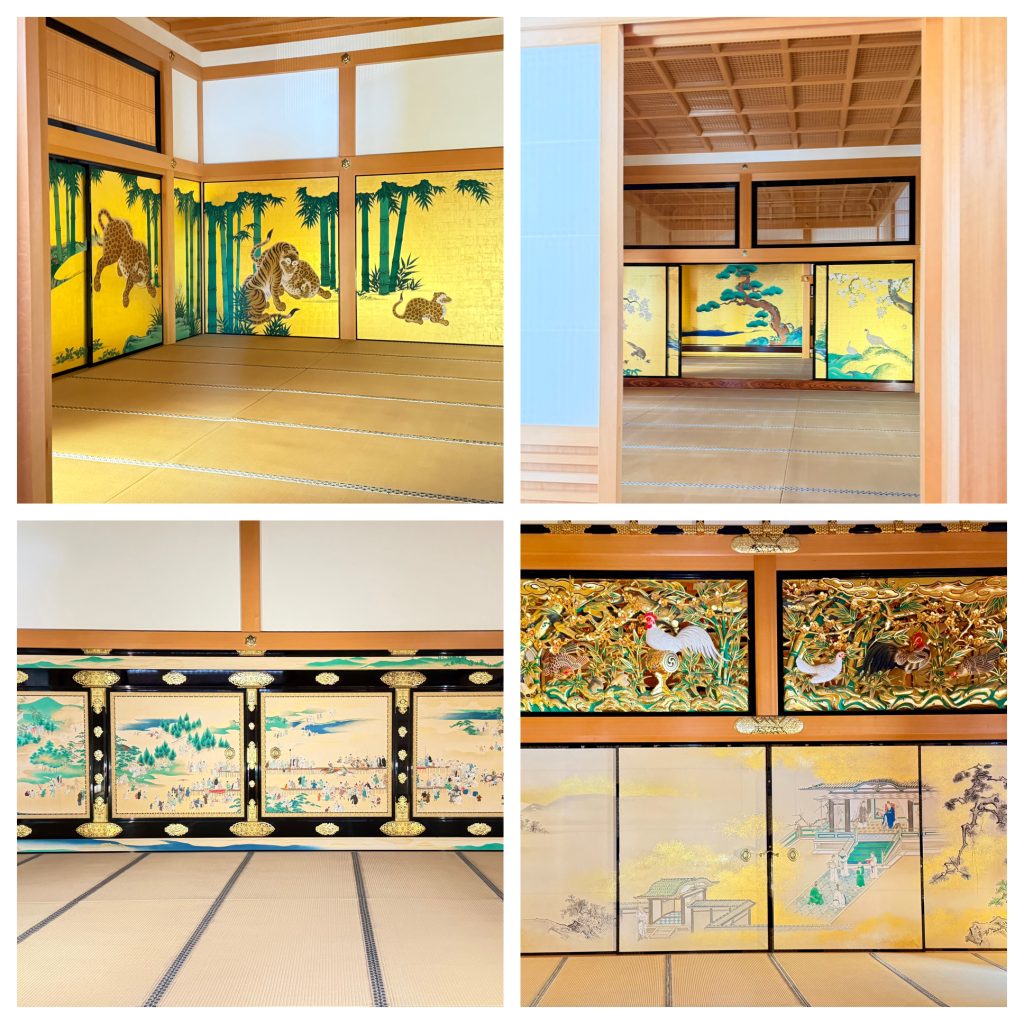
Its interiors dazzle with Kano-school screen paintings, intricate carvings, decorative metal fittings, and rooms graded by status — from elegant audience chambers to the opulent Jorakuden prepared for the third shogun. Wandering its polished corridors and soaking in the craftsmanship that earned it National Treasure status in 1930 by alongside the original keep made me appreciate how this castle, built starting in 1610 under Tokugawa Ieyasu’s orders, embodied the power and refined aesthetics of the early Edo period. Even without the main tower, the palace and serene grounds offered a profound connection to Japan’s feudal past. A memorable revisit!
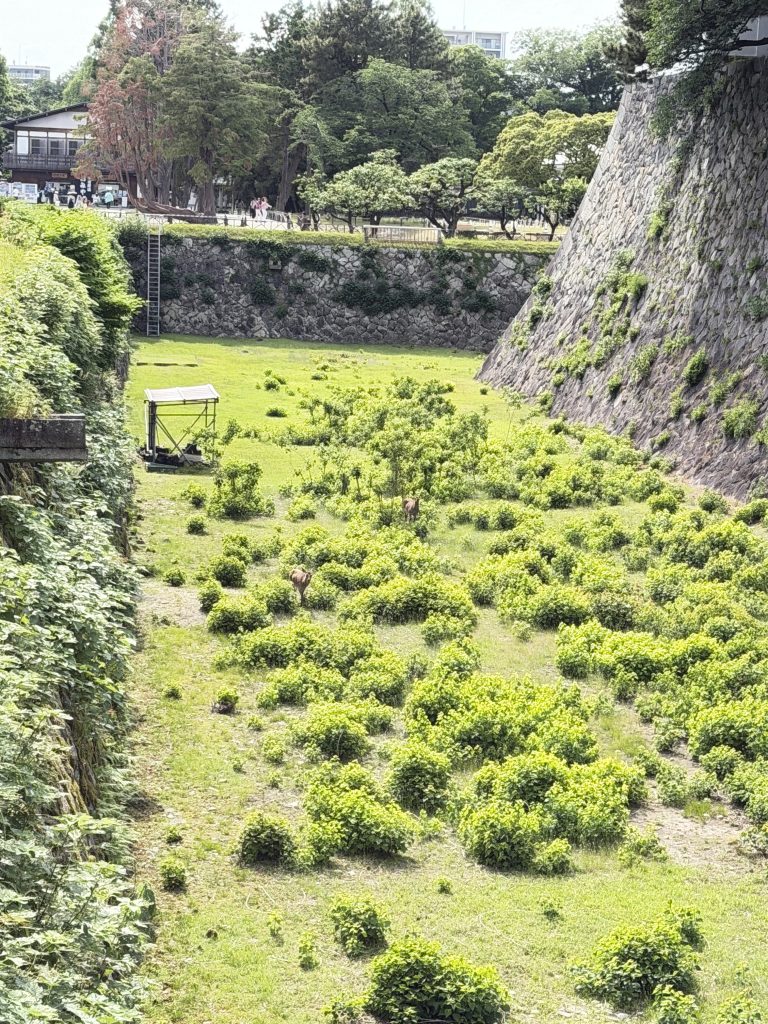
We also spotted 2 adult deer in the empty moat at Nogaya Castle!
Teppanyaki Ten

Dinner at Teppanyaki Ten. This is a fantastic Wagyu Teppanyaki restaurant located right in Nagoya Station on the 13th floor. I don’t eat beef, but everyone else had the Wagyu and said it was fantastic. I ordered the same course menu as everyone else but with chicken instead, and it was extremely tasty.
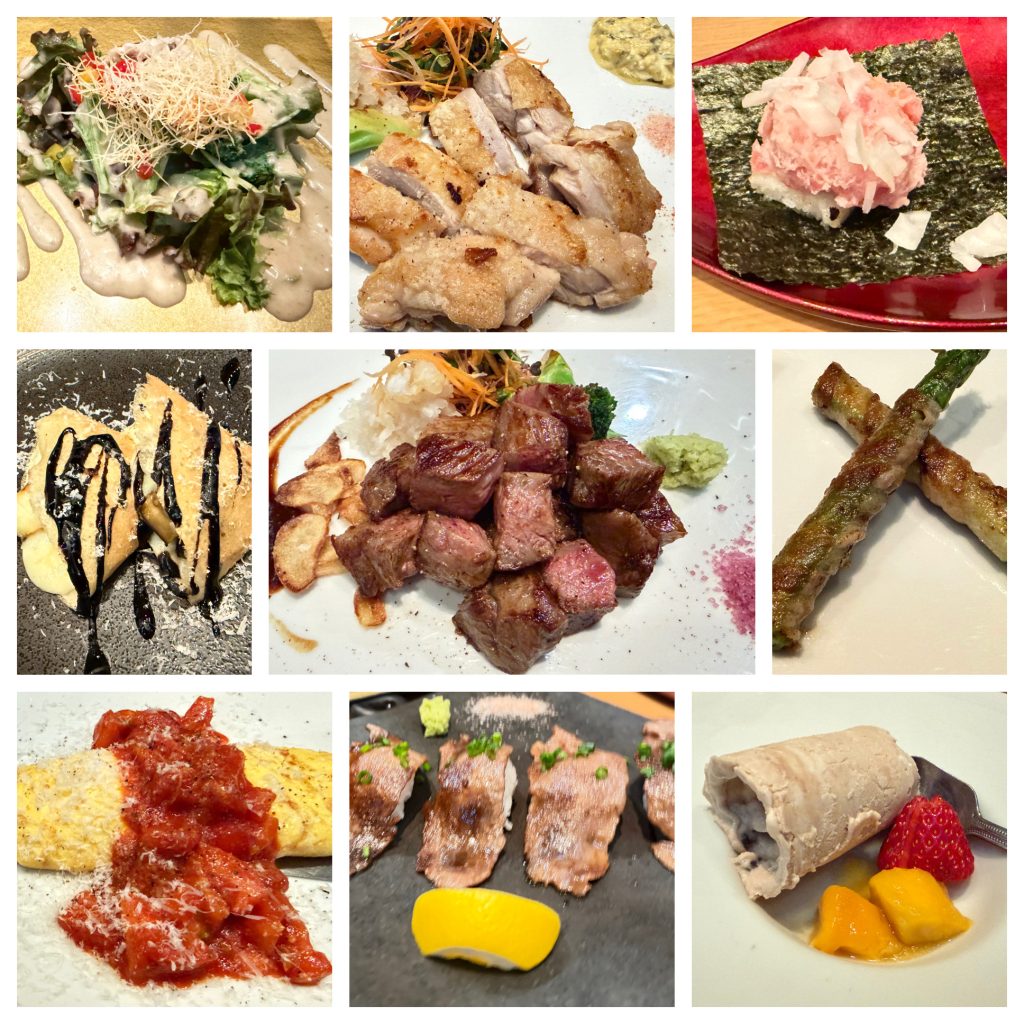
It was a very small and intimate restaurant so the chef came over to discuss our orders and personally checked on us throughout the meal to make sure we were enjoying the food, which we were! Great meal for sure and we were definitely focused on having some Wagyu while in Japan so this checked off that box perfectly.
Day 4
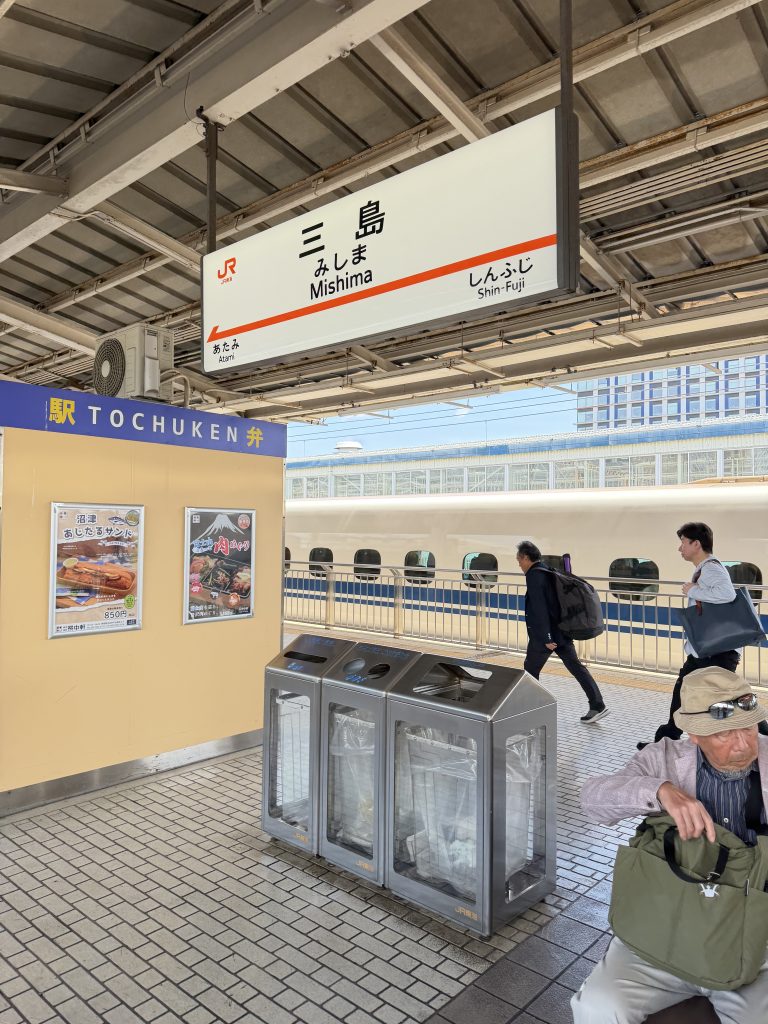
Today we set off on what we thought would be a straight forward excursion to Fujikawa. We boarded the Shinkansen from Nagoya Station bound for Shizuoka, planning to switch to the local zairaisen line for the final leg. However, somewhere in the middle of the ride, we realized our Airbnb was actually much closer to Kawaguchiko. With quick thinking, we stayed on the Shinkansen all the way to Mishima, sorted out a price adjustment at the station, and hopped on a bus to Kawaguchiko.
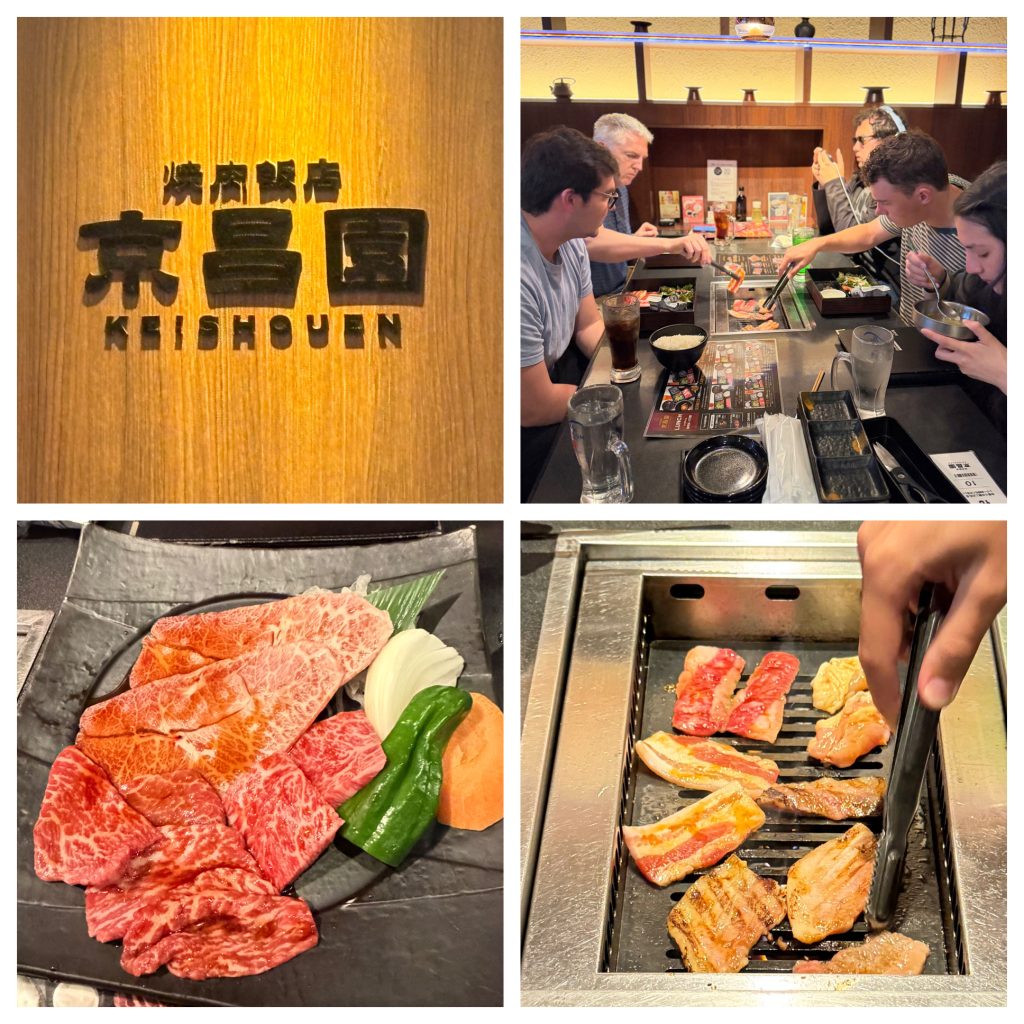
The 1:20 pm bus was already sold out, so we grabbed the next one at 3:20 pm and used the wait time to enjoy what turned out to be the best yakiniku we’ve had yet at Keishouen.
Our main goal in Kawaguchiko was Fuji-Q Highland, specifically for Travis to hit the Labyrinth of Fear tomorrow — only to discover that tomorrow is the park’s only closure day in the entire month of May. What incredible luck! Whether we extend our stay an extra day is still up for debate, but it’s been quite the adventurous pivot already.
On the way to Kawaguchiko, I managed to take a picture of Mt.Fuji!
Kawaguchiko
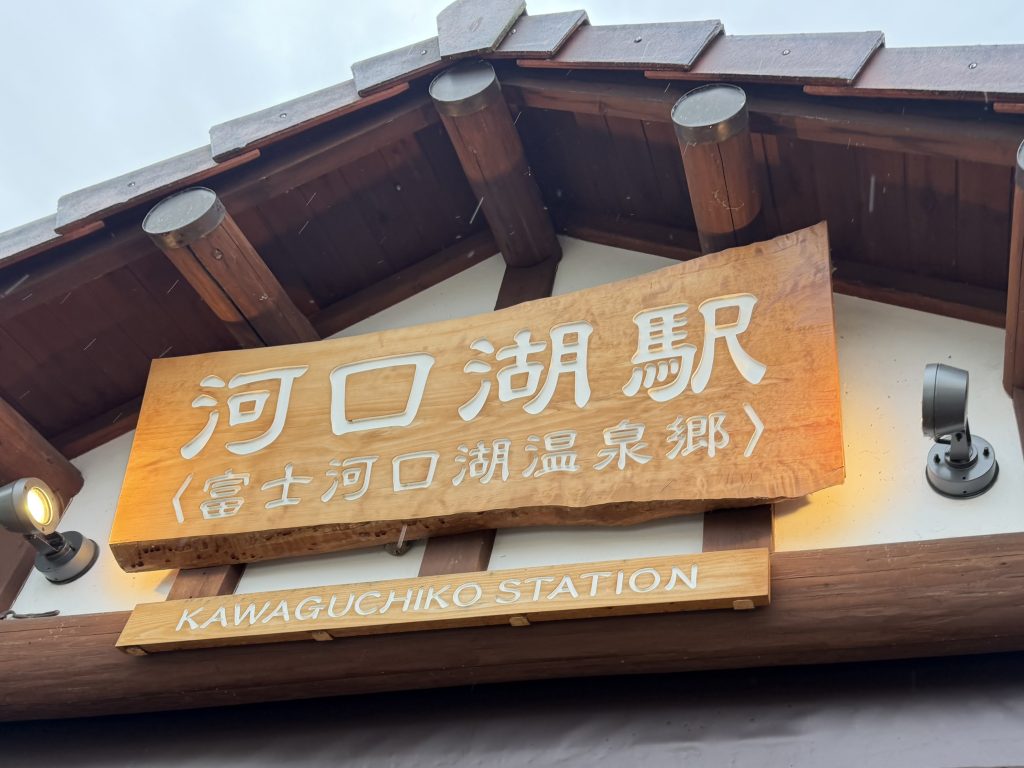
We arrived in Kawaguchiko in light drizzle. We took two taxis from the station to the Airbnb — only 1,100 yen each.
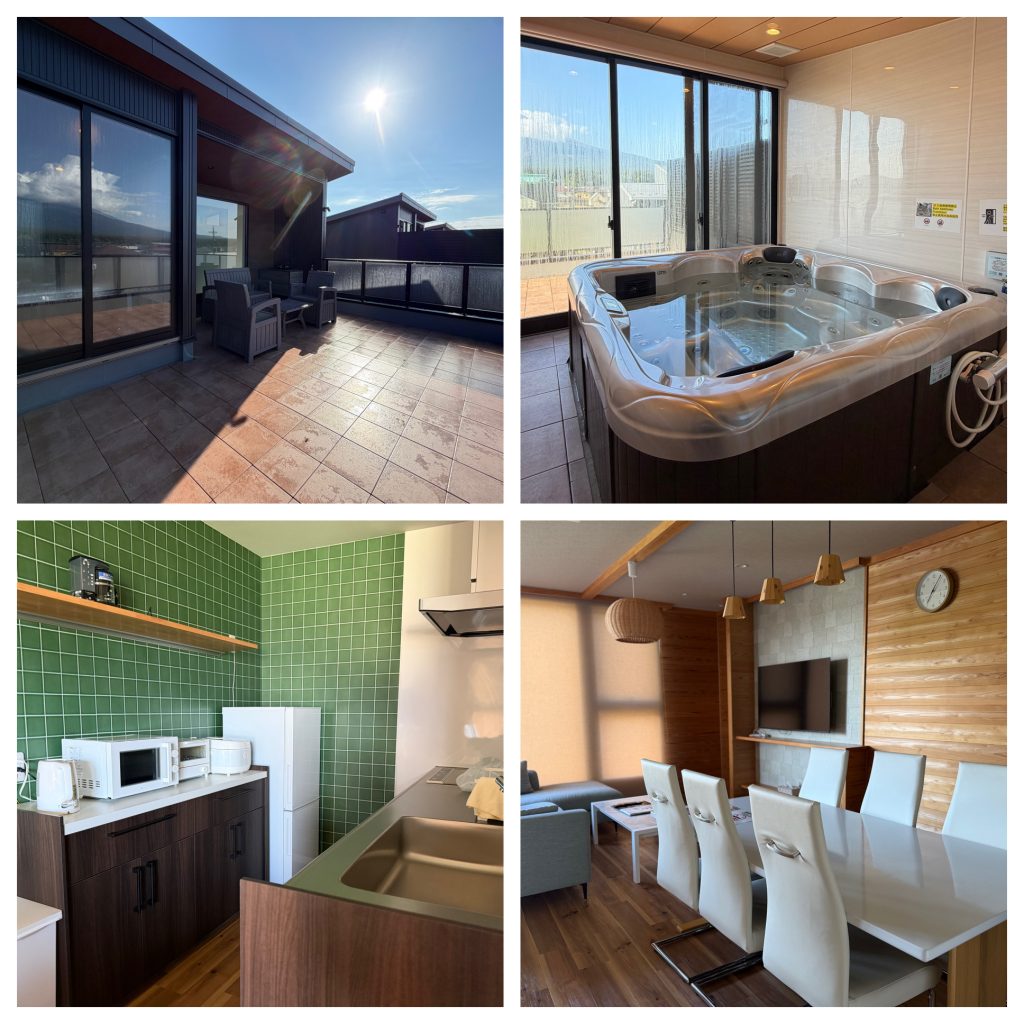
The house is really nice, a three-story property with great views of Mount Fuji and a jacuzzi on the top floor.
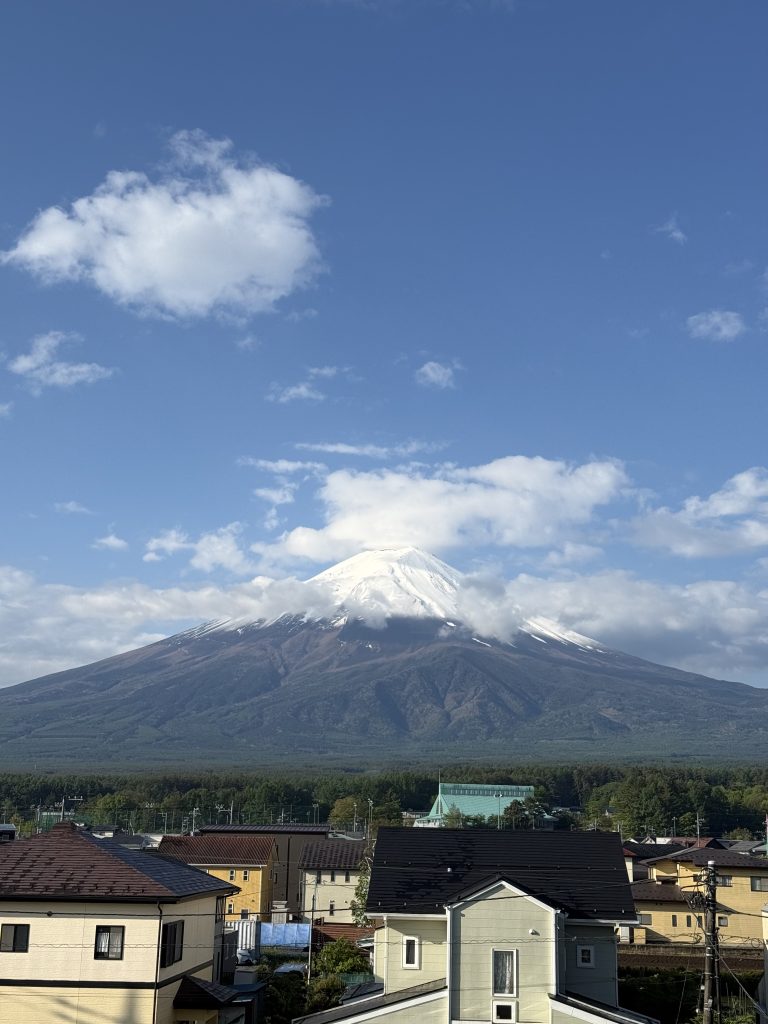
Kawaguchiko is a quiet town of narrow roads, neat houses, and small vegetable farms where rows of greens are just starting to sprout. You can feel how much the place revolves around Mount Fuji — there are small shrines tucked here and there, and even the local stores sell Fuji-themed snacks and souvenirs. It’s touristy but still peaceful.
ほうとう蔵 歩成 河口湖店 (Hōtō-gura Funari Kawaguchiko-ten)
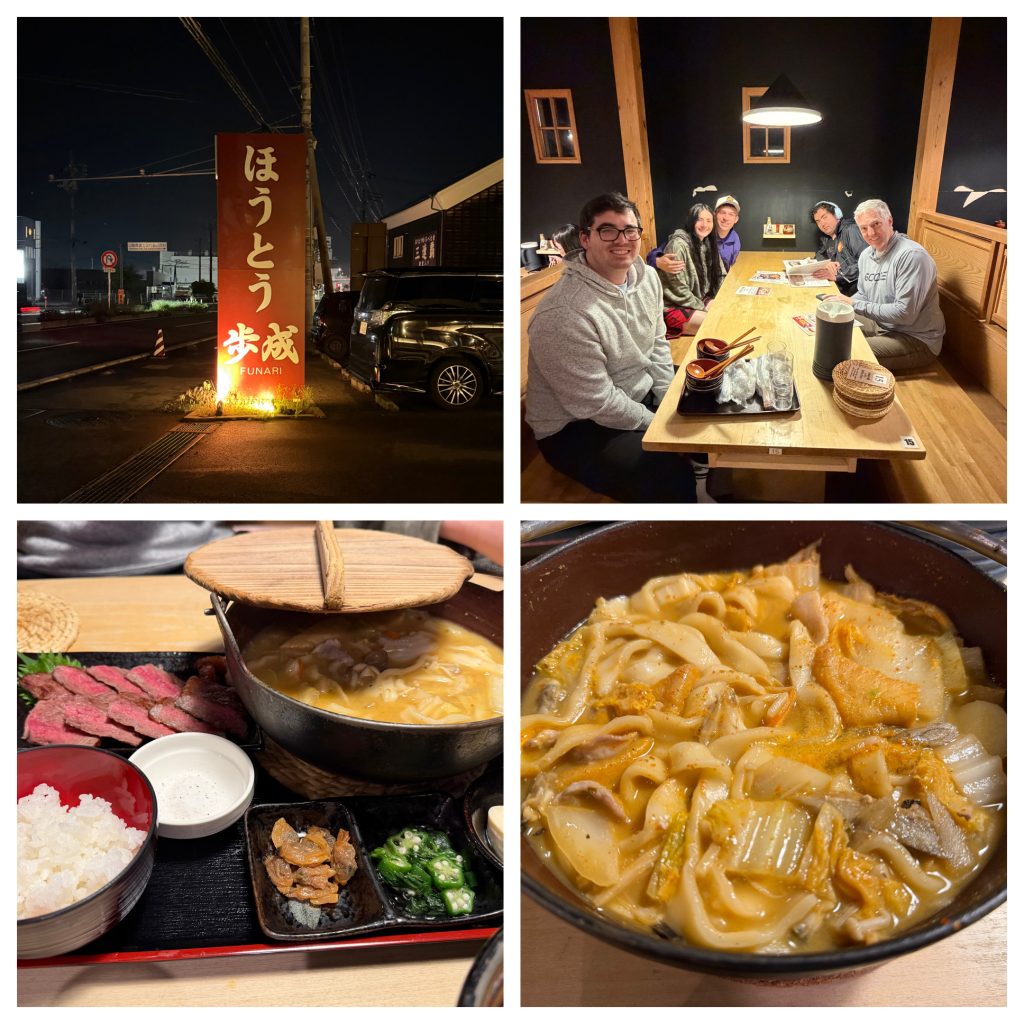
At walking distance from our Airbnb, we had dinner at Hōtō-gura Funari, a local restaurant famous for Yamanashi’s specialty hōtō noodles.
It’s a popular hōtō (Yamanashi’s signature thick noodle hot pot) specialty restaurant in Kawaguchiko, known for its large portions, “golden” miso-based hōtō, and good views of Mount Fuji from the glass windows during the day.
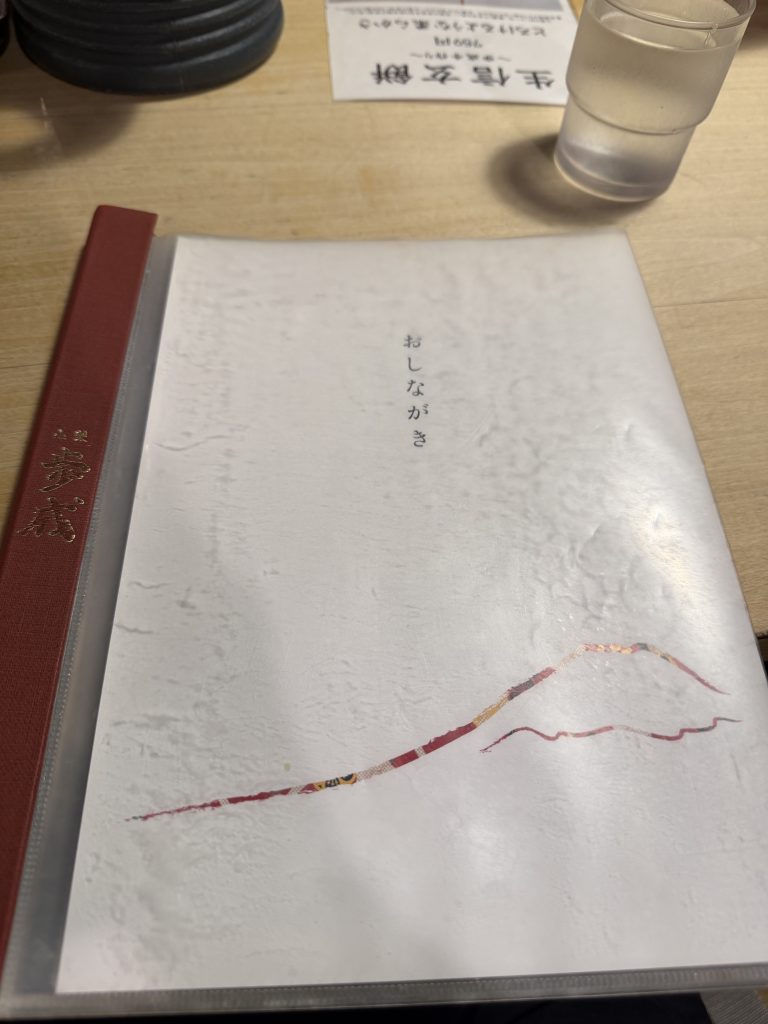
The menu cover with the stylized Fuji design and “おしながき” (menu) is their signature style.
We tried their signature hōtō (the thick, flat wheat noodles in rich miso broth) and it was incredibly flavorful — hearty, savory, and packed with vegetables and pumpkin. The broth was deep and satisfying, perfect for the cool weather.
Day 5
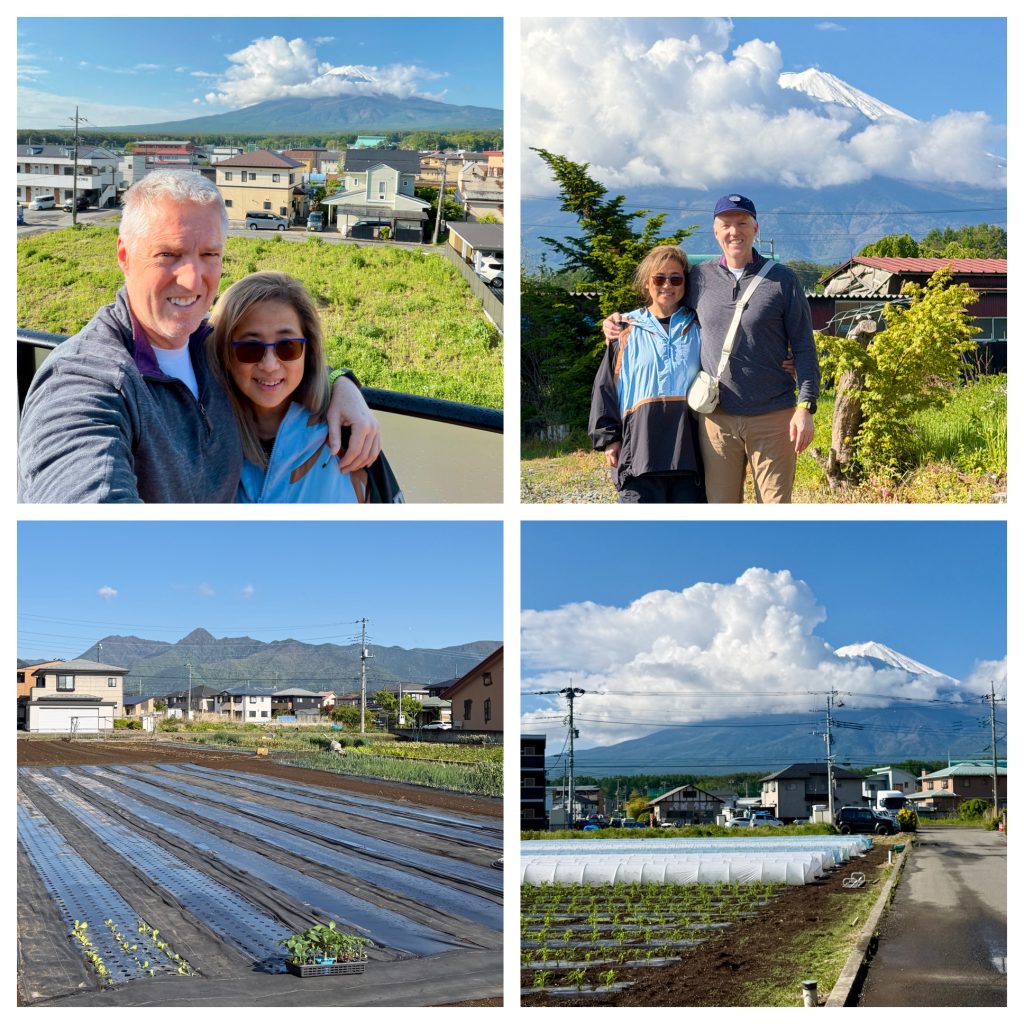
This morning the mountain was sharp against the blue sky, so we went for a suburban walk.

After that, Kevan did a 6-mile run to the Chureito Pagoda and back.
Chureito Pagoda is a five-story vermilion pagoda located in Arakurayama Sengen Park at the northern base of Mount Fuji. Built in 1963, it serves as a peace memorial and cenotaph honoring approximately 960 local residents from Fujiyoshida who died in wars from the late 19th century through World War II. It forms part of the ancient Arakura Sengen Shrine, which has roots dating back over 1,300 years and is dedicated to the worship of Mount Fuji.
While its original purpose is solemn remembrance, the pagoda has become one of Japan’s most iconic landmarks because of its breathtaking view — the bright red structure perfectly framed against the symmetrical peak of Mount Fuji. This scenic combination makes it one of the most photographed spots in the country, especially during cherry blossom season and autumn foliage.
Mount Fuji Pancakes
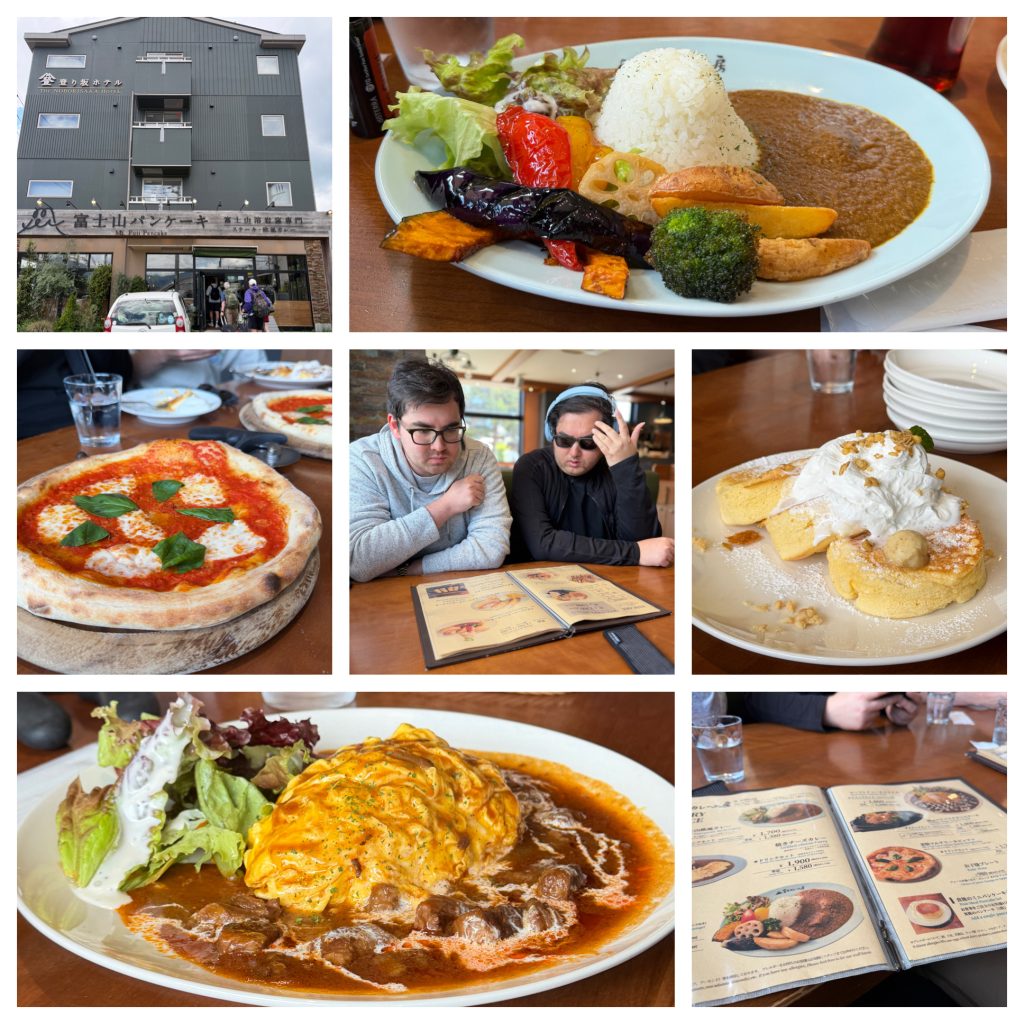
We started our day with a delightful breakfast at Mount Fuji Pancakes in Kawaguchiko, where the signature Fuwa Fuwa Fuji pancakes were truly amazing—light, fluffy, and perfectly sweet.
Afterward, we took the bus to Shibuya and transferred to Shinjuku, where we checked into our Airbnb.